Hey there, it’s Mia from the PVC embossed wall panels team—you know, the folks who’ve been getting DMs lately from restaurant owners asking the big one: “Can your panels actually hold up in my space?” I get it—when you’re picking wall stuff for a restaurant, you’re not just grabbing something that looks nice. You need it to survive coffee spills, grease splatters, steam from dishware, and that chaotic Saturday night rush. No one wants to redo their walls six months after opening ‘cause stuff starts peeling or staining, right? Let’s break this down real, no corporate jargon, and give you the straight scoop. PVC Embossed Wall Panels
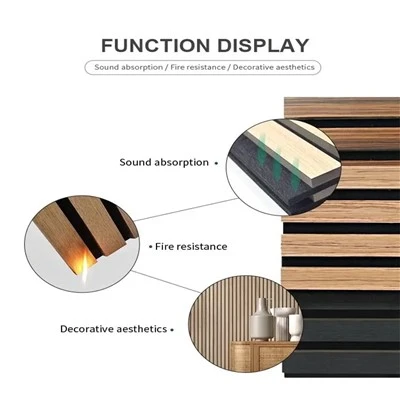
First off, let’s talk about what PVC embossed wall panels even are, for anyone new here. They’re rigid plastic panels made from polyvinyl chloride, heated and pressed into all kinds of embossed textures—think faux brick, subtle lines, even those cool tile looks that don’t cost a fortune. I know what you’re thinking: PVC is just that cheap plastic stuff used for outdoor signs? Wait, no—modern PVC panels are way different from the thin, flimsy sheets you might remember. The embossing isn’t just for looks, either; it does actual work for restaurant spaces. But let’s get to the main question: do they work in restaurants? Short answer: yeah, if you pick the right ones, install ’em right, and keep up with basic maintenance. Let’s get into the why, not just the yes.
First up, durability—this is non-negotiable for restaurants. Let’s list the daily chaos: a line cook knocks a tray of fries grease against the wall (don’t laugh, I’ve seen it happen), a barista slops oat milk all over the side of the coffee bar, steam from a pasta station hangs on the walls all day. PVC embossed panels aren’t porous, so that’s a win. Porous materials like drywall or textured paint soak up all that gunk, which means stains that never come out, or mold growing behind the walls ‘cause you can’t clean it deep enough. PVC doesn’t do that—all that mess sits on the surface, ready to wipe away.
Wait, but what about heat? Kitchens get hot, right? I’m not talking about standing too close to the oven hot, but consistent warm steam that would make some panels warp. The good quality PVC embossed panels we supply are rated for indoor use in high-moisture areas (hello, restaurant bathrooms and back-of-house prep rooms) and can handle temps up to like 140°F without warping. I once had a café owner install them behind their pizza oven, and 6 months later they hit me up saying they still look as good as day one. Sure, cheap no-name panels might warp if they’re too close to a high-heat grill, but we test our stuff, so that’s not a risk here.
Then there’s that embossed texture people love for restaurants. A lot of restaurant owners go for that faux brick emboss ‘cause it gives that cozy, rustic vibe without the cost of real brick (which is heavy, needs sealing, and can get moldy too). But does the texture trap gunk? That’s a common worry. And yeah, if you don’t wipe the right way, you might get a crumb or a coffee stain stuck in the little grooves. But here’s the thing: our embossed panels have a smooth, slightly non-stick finish on the surface, so most spills and crumbs just brush right off. And for the tiny spots? A microfiber cloth dampened with mild soap and water takes 10 seconds to fix. I’ve heard horror stories about textured wallpaper in restaurants that takes hours to clean, but this? Way easier.
Next, ease of installation—restaurant owners hate downtime. If you have to close for a week to redo walls, that’s lost money, plain and simple. PVC embossed panels are lightweight, so two people can hang a whole wall in a day, unlike drywall that needs taping, mudding, sanding, and waiting for it to dry. We send quick installation guides with every order, and if you’re not handy, any local handyman can knock it out in no time. Plus, they’re cut with a regular utility knife, so you can trim them around door frames or outlets without fancy tools. A friend who owns a taco shop installed our panels over their old chipped drywall on a Sunday, opened the new walls for lunch on Monday—no downtime, no stress.
Wait, but what about cleanliness codes? Health inspections are the bane of every restaurant owner’s existence. Can PVC panels pass? Absolutely. The National Restaurant Association and local health departments care most about surfaces that are easy to sanitize and don’t harbor bacteria. PVC is non-porous, so it doesn’t absorb food particles or moisture, which means mold, mildew, and bacteria can’t grow in the wall material. We even have technical sheets that outline the sanitation guidelines, so you can show your local inspector if you need to—no headaches there.
Now, let’s be real—we can’t gloss over the downsides, ‘cause I hate when vendors act like their product is perfect for every single space. One thing to note: PVC is plastic, so if you have a commercial kitchen with a lot of heavy equipment moving around, like rolling carts or metal trays, you can scratch the surface. But here’s the fix: we can supply a scratch-resistant coating for an extra few bucks per panel, and those scratches buff out super easy with a little plastic polish if you catch them early. Also, if you’re going for a super high-end, luxury fine dining spot that needs the look of real marble or something? Embossed PVC might not feel as premium as solid marble or plaster, but for most casual spots, gastropubs, coffee shops, and family restaurants? It’s indistinguishable from a distance, which is what matters when your customers are taking photos of their meals.
Another big point: cost. Let’s compare this to other common restaurant wall options. Real brick cladding is like $15-$25 per square foot, plus installation that adds more. Textured drywall is around $2-$5 per square foot, but it needs multiple coats, repairs, and repainting every 1-2 years. Our PVC embossed panels? They’re $3-$8 per square foot, installed in half the time, and can last 10+ years with basic cleaning. That’s a huge saving for restaurants on tight budgets, especially small, independent ones just starting out. I’ve had a lot of new café owners tell me they used the money they saved to buy better coffee beans instead of redoing walls a year later—win-win.
Wait, what about fire safety? I know that’s a big one for commercial spaces. All our PVC embossed panels are rated Class A for fire resistance, which is the highest rating for interior building materials. That means they don’t contribute much to a fire’s spread, which meets most commercial building codes across the US and Canada. We can provide fire safety certificates too, so you don’t have to stress about getting cited for non-compliance.
Let me share a real example to make this concrete. Last year, we worked with a small Italian restaurant in Brooklyn that had a problem: their old wallpaper kept peeling near the dishwasher and steam station, and health inspectors kept flagging it. They were quoted $8,000 to rip out all the walls and put in tile, which was way over their renovation budget. They went with our faux brick embossed panels instead. Now, 18 months later, I helped their manager wipe down a coffee spill that got knocked on the wall during brunch—just wiped it with a wet cloth, no stain. They haven’t had any inspection issues, and they get compliments on their “warm brick walls” all the time. That’s exactly what we’re talking about.
Now, let’s go over the do’s and don’ts if you’re considering this. Do pick embossed panels with a smooth top coating, not the super textured ones that trap lots of small debris if you’re in a busy spot. Do use a mild, non-abrasive cleaner—avoid anything with bleach or strong chemicals, ‘cause that can fade the color over time. Do install them over a smooth, flat surface (we recommend priming drywall first so the adhesive sticks well). Don’t install them in direct, constant flame contact—like right next to a wood-fired pizza oven where the heat is blasting 24/7. Even our heat-rated panels will hold up, but it’s better to put a small heat shield between the oven and the wall to be safe.
If you’re still on the fence, here’s a quick list of spaces where PVC embossed panels shine: coffee shops, gastropubs, casual diners, bakery front-of-house, restaurant lobbies, bar areas, and back-of-house prep rooms. They might not be the best fit for a 5-star fine dining spot that relies on ultra-premium, one-of-a-kind materials, or a space with constant high-heat open flames. But for 90% of restaurants out there? They’re a solid, smart choice.
At the end of the day, restaurant owners have enough on their plate—they don’t need wall problems on top of serving good food, scheduling staff, and dealing with the million other things that go into running a space. PVC embossed wall panels take the stress out of wall maintenance, look great, save you money, and meet all the necessary codes. We’ve worked with hundreds of restaurants across the country, and we haven’t had a single complaint about durability or performance.
If you’re a restaurant owner thinking about upgrading your walls, or even just replacing that stained wallpaper that’s been bugging you for ages, reach out to our team. We can send you free samples so you can see the texture and color in person, answer any specific questions about your space, and even help you figure out how many panels you’ll need for your wall. No pushy sales stuff, just straight answers from people who actually know what works for restaurants.
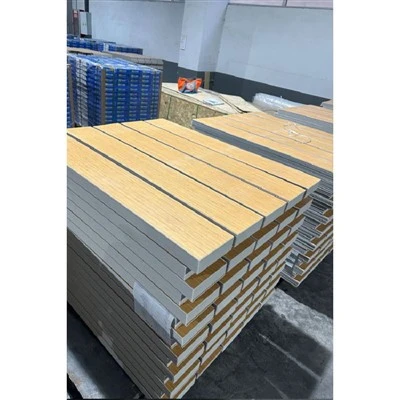
Don’t let bad wall choices ruin your restaurant’s vibe or your budget. Let’s get you panels that look good and hold up to the chaos of your busy kitchen.
Other Wall Panels References
National Restaurant Association. (2022). Commercial Kitchen Surface Safety Guidelines.
PVC Manufacturer Association. (2023). Interior PVC Wall Panel Durability & Sanitation Report.
International Code Council. (2021). Class A Fire Rating Requirements for Commercial Interior Surfaces.
Food and Drug Administration. (2020). Sanitation Standards for Food Service Establishments.
Shandong Dowell Decorative Material Co., Ltd.
Address: Room 913, 9th Floor, International Trade Service Center, No. 100 Lingong Road, Comprehensive Bonded Zone, Chaoyang Street, Yihe New District, Linyi City, Shandong PR, China
E-mail: info@dowellpanel.com
WebSite: https://www.dowellspcfloor.com/
