When I started my coffee table business three years ago, I spent hours talking to customers at trade shows about what they actually care about when buying a new piece for their living room. What kept coming up again and again? Veneer coffee tables. They’re affordable, versatile, and look just as elegant as solid wood—if you know how to care for them right. As someone who’s supplied these tables to hundreds of homes, I’ve seen firsthand how small, easy mistakes can shorten their life, while simple habits can make them last for decades. Today, I’m pulling back the curtain on exactly what I tell my customers about keeping their veneer coffee table looking as good as the day it arrived. Coffee Tables
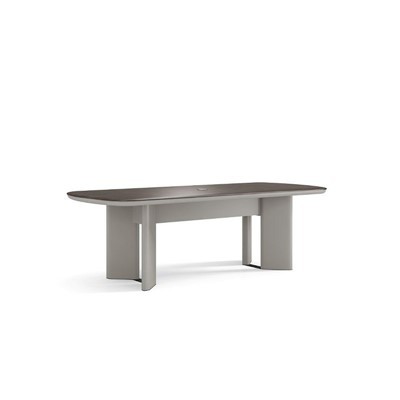
First, let’s get one thing straight: veneer is not cheap or fake wood. It’s a thin, high-quality slice of real hardwood (think oak, walnut, or maple) bonded to a sturdy base of plywood or MDF, designed to mimic solid wood without the price tag or upkeep. That makes it a great pick for families, renters, or anyone who loves rotating decor without breaking the bank. But its thinness is also its biggest superpower and its biggest weakness. Scratches that might buff out on solid wood can go all the way through veneer if you’re not careful, and too much heat can bubble the entire top layer. So the rule of thumb is: treat your veneer table like you would a nice wooden cutting board—respect the surface, and it will serve you well.
Let’s start with the most frequent mistake I see customers make: cleaning it wrong. When you unbox a new veneer table, the finish is what’s protecting that thin wood slice, right? Most tables I supply have a clear coat—usually polyurethane, lacquer, or even a water-based sealant— that’s meant to repel spills, dust, and light scratches. But cleaning with harsh, generic products is like scrubbing a car with steel wool. Bleach, ammonia, window cleaner, even lemon oil spray? These can eat through that clear finish over time, leaving the veneer dull, sticky, or even discolored. I’ve had customers send photos of their once-gorgeous walnut veneer table that now has white splotches all over it, just because they used glass cleaner to wipe up a coffee spill. It’s a simple mistake, so let’s outline the right way to clean your table, step by step.
For daily dusting, a soft, dry microfiber cloth is all you need. I keep a stack of these at my warehouse and give a few to every customer who picks up a table—they don’t leave lint, and they glide over the finish without scratching. For deeper cleanups, like a sticky spill from soda or juice, mix a tiny bit of gentle dish soap (the kind for hand-washing dishes, not antibacterial or citrus-scented) with warm water, so it’s sudsy but not too wet. Dampen your microfiber cloth, wring it out until it’s almost dry (like, when you squeeze it, no water comes out), and wipe the spill immediately. Never let liquid sit on the table. If you do get a ring from a wet mug or a glass of water, don’t panic. Most of the time, that white mark is just moisture trapped in the finish, not damage. Use a dry microfiber cloth and a tiny bit of non-gel, white toothpaste (not whitening toothpaste, which has abrasives that can scratch) to gently rub the mark in a circular motion. Wipe off the excess with a damp cloth, and buff dry. I’ve used this trick on hundreds of tables I’ve supplied, and it works 9 times out of 10. If the mark is deeper, you can gently rub a small amount of mineral oil on it, let it sit for 10 minutes, and wipe off the excess. Just stay away from furniture polishes that promise to “bring out the wood”—most of them have silicones that build up over time and make it hard to clean later.
Next up, protecting the surface from things that can permanently damage it. The number one cause of scratches and dents on any coffee table is not cutting on it (though that’s a given) but setting things down without care. Kids’ toys, pet claws, heavy books, even ceramic mugs dragged across the surface can cause tiny scratches. I always tell customers to use coasters, placemats, and trivets for anything that’s hot, wet, or sharp. For hot items like coffee mugs, tea kettles, or even a tray with a baked dish straight from the oven, a trivet is non-negotiable. Even a wooden cutting board left on the table for 10 minutes can leave a heat ring that’s impossible to buff out if it’s too hot. I recommend using felt coasters for everyday use—they’re cheap, soft, and don’t scratch—but for decorative trays or statement pieces, look for ones with rubber feet on the bottom, so they don’t slide and scuff the veneer.
Another thing I warn customers about: heavy items. Even though veneer is strong, putting something super heavy (like a full set of encyclopedias or a large aquarium) on the table’s edge can cause the veneer to separate from the base, or even crack the edge. If you’re decorating your table with a big plant or a storage box, make sure it’s centered, and if it’s over 50 pounds, consider placing a small piece of plywood or a thick felt pad under it to distribute the weight. I’ve seen a few tables come back to my warehouse for repair because a customer put a 100-pound stone fountain on the edge, and the veneer split right down the middle. It’s an easy fix if caught early, but prevention is way better.
Then there’s the stuff people don’t think about: humidity and sunlight. Veneer is wood, so it reacts to changes in the environment, just like solid wood. Too much dry air (in the winter, when you run the heater) can cause the veneer to shrink and pull away from the edges of the table. Too much moisture (in a basement or a bathroom, though most coffee tables go in living rooms) can make it swell, leading to bubbles or warping. I recommend keeping your table in a room with a humidity level between 30% and 50%—if you live in a dry climate, a small humidifier near the table can help. If it’s very humid, use a dehumidifier, and never place your table right next to a radiator, space heater, or air conditioner vent. Sudden temperature changes can make the veneer expand and contract too fast, leading to cracks or warping.
Sunlight is another big one. Direct, prolonged sunlight can fade the veneer over time, especially lighter woods like maple or oak. I had a customer last year who put their new table right in front of a big window, and within six months, the side facing the sun was noticeably lighter than the rest. To prevent this, you can use curtains or blinds to block harsh midday sun, or use a table cover when you’re not using it for long periods. I always tell my customers to rotate their decor every few months—moving a vase or a tray to a different spot every few weeks means the veneer fades evenly, so you don’t end up with a patchy table.
Now, what should you do if your veneer table does get damaged? Small scratches are the easiest to fix. For light surface scratches, you can use a wood marker or a wax stick that matches your table’s wood tone. I keep a set of these in my warehouse for customers who need a quick fix—just rub it into the scratch, wipe off the excess, and it’s gone. For deeper scratches, or if the veneer has a small chip, you can use a small amount of wood filler matched to your table’s color, sand it lightly once it’s dry, and refinish it with a clear coat. Just make sure you work slowly, and follow the instructions on the filler and clear coat—Rushing this can leave a mess. For larger damage, like a bubble or a split, it’s best to contact a professional furniture repair person. Most of the time, this is cheaper than buying a whole new table, especially if it’s a quality piece.
I know this sounds like a lot of rules, but it’s really just about being mindful of your table. The best part about a veneer coffee table is that it’s versatile enough to grow with your home—you can change your decor, move it to a different room, or even refinish it a few years down the line without the high cost of solid wood. Over the past three years, I’ve supplied tables to families with two kids and three pets, to renters who move every year, to empty nesters who want a timeless piece for their living room. The ones that still look like new are the ones whose owners took a few simple steps to care for them.
At the end of the day, my job as a supplier isn’t just to send a table to a customer—it’s to make sure that table lasts for years, and that they feel confident caring for it. If you’re in the market for a new veneer coffee table, or have questions about caring for the one you already own, I’d love to chat. We work with a wide range of styles, from modern minimalist to rustic farmhouse, and can help you find the perfect fit for your home, plus share more tips tailored to your specific table’s finish and wood type. Don’t hesitate to reach out to talk about your needs, ask questions, or place an order—we’re here to help.
Lower Cabinets References:
- Wood Industry Association. (2021). Care and Maintenance of Veneer Wood Products. National Home Furnishings Association.
- Consumer Reports. (2022). How to Clean and Protect Wood Furniture from Daily Damage.
- Furniture Repair Institute. (2020). Common Issues with Veneer Furniture and DIY Fixes.
Zhejiang Runcell Science and Innovation Furniture Manufacturing Co., Ltd.
We’re known as one of the most reliable coffee tables manufacturers and suppliers in China. We warmly welcome you to buy customized coffee tables made in China here from our factory. If you have any enquiry about quotation, please feel free to email us.
Address: Nanxun District, Huzhou City, Zhejiang Province
E-mail: Runcellwm@163.com
WebSite: https://www.cnruncell.com/
