Stainless steel is a remarkable material known for its wide – ranging properties, and one of the most crucial among them is its heat resistance. As a stainless steel supplier, I’ve witnessed firsthand how different applications rely on the ability of stainless steel to withstand high temperatures. In this blog, we’ll explore the heat – resistance characteristics of stainless steel, the factors that influence it, and its various applications. Stainless Steel
Understanding Heat Resistance in Stainless Steel
Heat resistance refers to a material’s ability to maintain its physical and chemical properties when exposed to high temperatures. For stainless steel, this means it can resist oxidation, corrosion, and maintain its strength even under extreme heat.
The heat – resistance of stainless steel is primarily due to its alloy composition. Chromium, a key element in stainless steel, forms a thin, protective oxide layer on the surface when exposed to oxygen. This layer, known as chromium oxide, acts as a barrier that prevents further oxidation of the underlying metal. The higher the chromium content, generally, the better the heat resistance.
Nickel is another important alloying element. It enhances the stability of the austenitic structure in stainless steel, which is beneficial for high – temperature applications. Austenitic stainless steels, such as the 300 series (e.g., 304 and 316), have excellent ductility and toughness at elevated temperatures, making them suitable for a variety of heat – related uses.
Factors Affecting the Heat Resistance of Stainless Steel
Alloy Composition
As mentioned earlier, the types and amounts of alloying elements play a significant role. Chromium is essential for forming the protective oxide layer. For example, ferritic stainless steels with around 10.5% – 30% chromium offer good oxidation resistance at moderate temperatures. Austenitic stainless steels, which typically contain 16% – 26% chromium and up to 35% nickel, have superior heat resistance due to their stable austenitic structure.
Molybdenum is often added to enhance corrosion resistance in harsh environments, including those with high temperatures and aggressive chemicals. Stainless steels like 316L, which contains molybdenum, can withstand high – temperature acidic and chloride – containing environments better than standard 304 stainless steel.
Temperature and Time
The heat resistance of stainless steel is also affected by the temperature and the duration of exposure. At relatively low temperatures (up to about 400°C), most stainless steels maintain their mechanical properties well. However, as the temperature rises above 500°C, oxidation becomes more significant.
The longer the exposure time at high temperatures, the more likely the material is to experience changes in its structure and properties. For instance, prolonged exposure at high temperatures can cause carbide precipitation in some stainless steels, which may lead to reduced corrosion resistance and increased brittleness.
Surface Conditions
The surface finish of stainless steel can impact its heat resistance. A smooth, clean surface is more likely to form a uniform and protective oxide layer. Rough surfaces or those contaminated with dirt, grease, or other substances can disrupt the formation of the oxide layer, reducing the material’s ability to resist oxidation.
Applications of Heat – Resistant Stainless Steel
Industrial Furnaces
In industrial furnaces, stainless steel is widely used for components such as heating elements, furnace linings, and conveyor belts. The high heat resistance of stainless steel allows these components to withstand the extreme temperatures inside the furnaces, which can reach up to 1200°C or even higher in some cases.
For example, austenitic stainless steels like 310S are commonly used in furnace construction due to their excellent oxidation resistance at high temperatures. They can maintain their strength and integrity over long periods of operation, reducing the need for frequent replacements.
Automotive Exhaust Systems
The exhaust systems of vehicles are exposed to high – temperature exhaust gases. Stainless steel is an ideal material for these applications because it can resist the heat and the corrosive effects of the exhaust gases. Ferritic stainless steels, such as 409 and 439, are often used in automotive exhaust systems. They offer a good balance between heat resistance, corrosion resistance, and cost – effectiveness.
Power Generation
In power plants, whether they are fossil – fuel – based, nuclear, or renewable, stainless steel plays a crucial role. In steam turbines, for example, stainless steel components need to withstand high – temperature steam and pressure. Austenitic stainless steels are used for turbine blades, casings, and other critical parts due to their high strength and heat resistance at elevated temperatures.
Testing and Evaluation of Heat Resistance
To ensure the quality and performance of heat – resistant stainless steel, various testing methods are employed.
Oxidation Testing
This involves exposing samples of stainless steel to high – temperature environments in a controlled atmosphere. The weight change of the samples over time is measured to evaluate the rate of oxidation. A lower weight gain indicates better oxidation resistance.
Creep Testing
Creep is the slow deformation of a material under a constant load at high temperatures. Creep testing is used to determine how much stainless steel will deform over a period of time at a specific temperature and stress level. This information is crucial for applications where long – term dimensional stability is required.
Microstructural Analysis
After high – temperature exposure, the microstructure of stainless steel can change. Microstructural analysis techniques, such as optical microscopy and scanning electron microscopy, are used to examine these changes. This helps in understanding the underlying mechanisms that affect the material’s performance at high temperatures.
Selecting the Right Heat – Resistant Stainless Steel
Choosing the appropriate stainless steel for a specific high – temperature application depends on several factors.
Temperature Range
For applications with temperatures below 500°C, ferritic stainless steels may be sufficient. They are relatively inexpensive and offer good oxidation resistance. For temperatures between 500°C and 800°C, austenitic stainless steels like 304 and 316 can be considered. In applications where the temperature exceeds 800°C, high – chromium and high – nickel austenitic stainless steels, such as 310S, are more appropriate.
Corrosion Environment
If the application involves exposure to corrosive substances along with high temperatures, the stainless steel’s ability to resist both heat and corrosion must be considered. For example, in a chemical processing plant where high – temperature acidic solutions are present, stainless steels with high molybdenum and chromium contents should be selected.
Mechanical Requirements
The mechanical properties required for the application, such as strength, ductility, and toughness, also influence the choice of stainless steel. For applications where high strength is needed at high temperatures, precipitation – hardened stainless steels may be a good option.
Our Role as a Stainless Steel Supplier
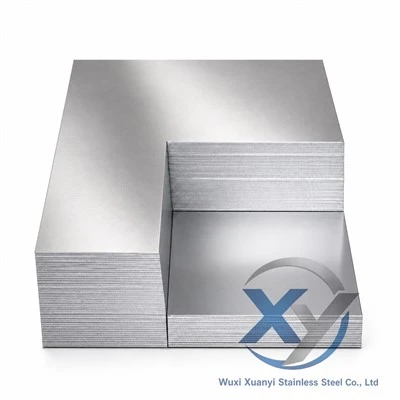
As a stainless steel supplier, we understand the critical importance of heat – resistant stainless steel in various industries. We offer a wide range of heat – resistant stainless steel products, including sheets, plates, bars, and tubes.
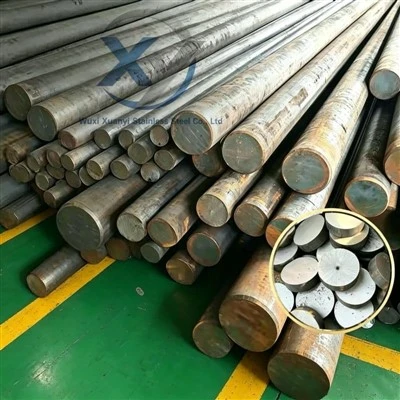
Our team of experts is dedicated to helping customers select the right stainless steel for their specific applications. We provide technical support, including information on alloy composition, heat – treatment processes, and performance characteristics. We also ensure the quality of our products through rigorous testing and inspection procedures.
Stainless Steel Seamless Pipe and Tubes If you have a project that requires heat – resistant stainless steel, we are here to assist you. Whether you are in the industrial furnace manufacturing, automotive, or power generation sector, we can provide you with the high – quality stainless steel materials you need. Contact us to start a discussion about your requirements and explore how our stainless steel products can meet your project’s goals.
References
- "ASM Handbook, Volume 3: Alloy Phase Diagrams" by ASM International
- "Stainless Steels: Properties, Production, and Applications" by Andreas Sedmak
- "Heat Resistance and High – Temperature Properties of Metals and Alloys" by John F. Elliott
Wuxi Xuanyi Stainless Steel Co., Ltd.
Wuxi Xuanyi Stainless Steel Co., Ltd. is one of the most professional stainless steel manufacturers and suppliers in China. With abundant experience, we warmly welcome you to wholesale bulk durable stainless steel made in China here from our factory. If you have any enquiry about cooperation, please feel free to email us.
Address: Room 1207, Building 11, Shengang Metropolis Plaza, No. 299 Fangcheng Avenue, Xinwu District, Wuxi City,China.
E-mail: jscherryxy@163.com
WebSite: https://www.xuanyisteel.com/
