Yo, what’s up! I’m a supplier of elevator door sensors, and I’ve seen firsthand how crucial these little gadgets are for smooth elevator door operation. In this blog post, I’m gonna break down how elevator door sensors work and why they’re so important. Elevator Door Sensor
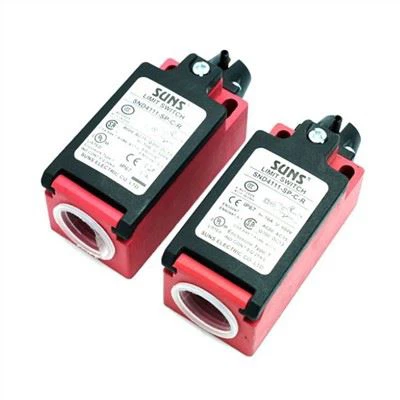
Let’s start with the basics. An elevator door sensor is a device that detects the presence of objects or people in the path of the elevator doors. It’s a key component in ensuring the safety and efficiency of elevator operations. There are a few different types of sensors commonly used in elevators, but the most popular ones are infrared sensors, ultrasonic sensors, and光幕 sensors (I’ll just call them light curtain sensors here since we’re keeping it simple).
How Infrared Sensors Work
Infrared sensors are like the eyes of the elevator door. They use infrared light to detect objects in the door’s path. Here’s how it goes: the sensor emits a beam of infrared light across the door opening. When there’s nothing in the way, the light beam travels straight to a receiver on the other side. But if an object or a person steps into the path of the light, it blocks the beam, and the receiver can’t detect the light anymore. As soon as this happens, the sensor sends a signal to the elevator control system, telling it to stop the door from closing. This way, you avoid any nasty door – slamming incidents.
One of the cool things about infrared sensors is that they’re pretty fast. They can detect objects in a split – second, which is super important for elevator safety. Also, they’re relatively low – cost compared to some other types of sensors, so they’re often used in a lot of standard elevator installations.
The Deal with Ultrasonic Sensors
Ultrasonic sensors, on the other hand, work a bit differently. They use sound waves to figure out if there’s something in the door’s way. These sensors emit high – frequency sound waves that bounce off objects in the area. The sensor then listens for the echo of these sound waves. By measuring the time it takes for the echo to return, the sensor can calculate the distance to the object.
If the calculated distance indicates that an object is too close to the door, the sensor will send a signal to the elevator’s control. Ultrasonic sensors are great because they can detect objects from a greater distance than infrared sensors. They’re also good at detecting objects that might not block an infrared beam, like small or transparent items.
Light Curtain Sensors for Extra Protection
Light curtain sensors are a bit more high – tech. They consist of a series of infrared light beams that form a sort of "curtain" across the elevator door opening. Each beam is connected to a corresponding receiver on the other side. When any of these beams are blocked, the sensor immediately sends a signal to stop the door closing.
The great thing about light curtain sensors is their high level of precision. They can detect even the smallest objects or parts of a person’s body, providing a high degree of safety. They’re often used in high – end or critical elevator applications, where safety is of the utmost importance.
Ensuring Smooth Door Operation
Now that we know how these sensors work, let’s talk about how they ensure smooth door operation. First of all, safety is the top priority. By detecting objects and people in the door’s path, the sensors prevent the doors from closing on them. This not only protects passengers from getting hurt but also prevents damage to the elevator doors and any objects that might get caught in them.
But it’s not just about safety; it’s also about efficiency. When the sensors are working properly, the elevator doors can open and close quickly without any unnecessary delays. For example, if an infrared or ultrasonic sensor quickly detects that there’s no one in the way, the doors can close right away, getting the elevator moving to its next stop faster. This is especially important in busy buildings where people are constantly using the elevators.
Another aspect is reliability. Good quality elevator door sensors are designed to work consistently over time. They’re built to withstand the constant opening and closing of the elevator doors, as well as the vibrations and environmental conditions inside an elevator shaft. This means fewer breakdowns and less maintenance, which is a big plus for building owners and elevator operators.
Maintenance and Calibration
To keep the elevator door sensors working smoothly, regular maintenance and calibration are a must. Over time, the sensors can get dirty or misaligned. For infrared sensors, dust or debris on the emitter or receiver can block the light beam and cause false alarms. So, it’s important to clean these parts regularly.
Ultrasonic sensors can also be affected by dirt or damage to the sound – emitting and receiving parts. Technicians need to check these components for any signs of wear and tear and clean them as needed.
Light curtain sensors require careful alignment. If the beams are misaligned, the sensor might not detect objects properly, which could lead to safety issues. Periodic calibration ensures that the sensors are accurately detecting objects at the right distances.
Our Role as a Supplier
As a supplier of elevator door sensors, we play a crucial role in all of this. We make sure that our sensors are of the highest quality. We use the latest technology and manufacturing processes to produce sensors that are accurate, reliable, and durable.
We also offer technical support to our customers. Whether it’s helping them choose the right type of sensor for their elevator installation or providing advice on maintenance and calibration, we’re there to assist. We understand that every elevator system is different, so we work closely with our customers to find the best solutions for their needs.
Why Choose Our Sensors?
There are a few reasons why you should consider choosing our elevator door sensors. First, our sensors are rigorously tested before they leave our factory. We test them for accuracy, reliability, and durability under various conditions to make sure they’ll perform well in real – world applications.
Second, we offer a wide range of sensors to meet different requirements. Whether you need a simple infrared sensor for a basic elevator or a high – end light curtain sensor for a luxury building, we’ve got you covered.
Third, our pricing is competitive. We know that cost is an important factor for our customers, so we strive to offer high – quality sensors at a reasonable price.
Contact Us for Your Next Elevator Project
Escalator Step If you’re in the market for elevator door sensors, I encourage you to get in touch with us. Whether you’re an elevator installer, a building owner, or an elevator maintenance company, we can provide the sensors and support you need. Our team is ready to answer any questions you might have and help you make the right choices for your elevator systems. Let’s work together to ensure smooth, safe, and efficient elevator door operation.
References
- "Elevator Technology Handbook" – A comprehensive guide on elevator components and operations.
- Industry white papers on elevator safety and sensor technology.
Sanjin Elevator Parts Co., Ltd.
Sanjin Elevator Parts Co., Ltd. is one of the most professional elevator door sensor manufacturers and suppliers in China, featured by quality products and good service. Please rest assured to buy or wholesale high-grade elevator door sensor at competitive price from our factory.
Address: 18th Floor, Xinyuan Center, Fenghe Road, Xi’an, Shaanxi, China
E-mail: elevatorparts@westdt.com
WebSite: https://www.sanjinelevator.com/
