Cleaning a plastic corner key is a straightforward yet essential process, whether you’re a user looking to maintain its appearance and functionality or a supplier like me aiming to provide top – notch products and guidance. In this blog, I’ll walk you through a detailed and scientific approach to cleaning plastic corner keys, sharing the best practices and tips that I’ve gathered over the years as a plastic corner key supplier. Plastic Corner Key
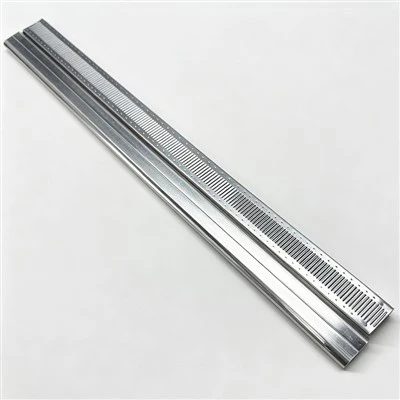
Understanding Plastic Corner Keys
Before delving into the cleaning process, it’s important to understand what plastic corner keys are and why cleaning them matters. Plastic corner keys are small, often L – shaped components used in a variety of applications. They are commonly employed in construction, furniture assembly, and DIY projects to reinforce corners and provide structural support.
The materials used to make plastic corner keys can vary, including polypropylene, polyethylene, and acrylonitrile butadiene styrene (ABS). Each type of plastic has its own properties, such as hardness, flexibility, and resistance to chemicals. Understanding the plastic type of your corner key is crucial, as it will determine the cleaning methods and products you can safely use.
Cleaning Supplies You’ll Need
To clean plastic corner keys effectively, you’ll need a few basic supplies:
- Mild Dish Soap: A gentle dish soap is ideal for cleaning plastic. It can remove dirt, grease, and grime without damaging the plastic surface.
- Warm Water: Warm water helps to dissolve dirt and makes the cleaning process more efficient.
- Soft Cloth or Sponge: A soft cloth or sponge is essential to avoid scratching the plastic. Microfiber cloths are particularly good as they are gentle and absorbent.
- Toothbrush (Optional): A soft – bristled toothbrush can be used to clean hard – to – reach areas and crevices on the corner key.
- Vinegar (Optional): For stubborn stains, a mixture of vinegar and water can be an effective natural cleaner.
- Dry Cloth: A dry cloth is needed to dry the corner key after cleaning to prevent water spots and rust (if there are any metal parts associated with the corner key).
Step – by – Step Cleaning Process
Step 1: Preparation
First, gather all the cleaning supplies you need. You should also work in a well – ventilated area, especially if you’re using vinegar or other cleaning solutions. Remove the plastic corner keys from whatever they are attached to, if possible. This will make the cleaning process easier and more thorough.
Step 2: Initial Inspection
Before cleaning, inspect the corner keys for any visible signs of damage, such as cracks or chips. If there are any damaged keys, you may need to replace them rather than trying to clean them. Also, note the location and type of dirt or stains on the keys. This will help you determine if you need to use any special cleaning techniques or products.
Step 3: Pre – Rinse
Rinse the corner keys under warm water to remove any loose dirt or debris. This step will make the subsequent cleaning process more effective. Hold the corner keys under the running water and use your fingers to gently rub the surface to dislodge any dirt particles.
Step 4: Soap and Water Cleaning
Fill a basin or sink with warm water and add a small amount of mild dish soap. Mix the water and soap until it forms a soapy solution. Immerse the corner keys in the soapy water and let them soak for a few minutes. This will help to loosen the dirt and grease.
After soaking, use a soft cloth or sponge to gently scrub the corner keys. Pay special attention to areas with visible stains or dirt buildup. For hard – to – reach areas, you can use a soft – bristled toothbrush. Be careful not to apply too much pressure, as this could scratch the plastic.
Step 5: Stubborn Stain Removal
If there are stubborn stains on the corner keys, you can try using a vinegar solution. Mix equal parts of white vinegar and water in a spray bottle. Spray the solution onto the stained areas and let it sit for a few minutes. Then, use a soft cloth or sponge to scrub the stains gently. Rinse the corner keys thoroughly with warm water to remove the vinegar solution.
Step 6: Rinsing
Once you’ve finished scrubbing, rinse the corner keys under warm water to remove all the soap and cleaning solutions. Make sure to rinse all the surfaces, including the edges and crevices, to ensure that no residue is left behind.
Step 7: Drying
Use a dry cloth to pat the corner keys dry. Make sure to dry them completely to prevent water spots and the growth of mold or mildew. You can also leave the corner keys to air – dry in a clean, well – ventilated area for a few hours if you prefer.
Special Considerations
Different Plastic Types
As mentioned earlier, different types of plastic have different properties. For example, polypropylene is more resistant to chemicals, while ABS may be more prone to damage from certain solvents. If you’re unsure about the type of plastic your corner keys are made of, it’s best to test any cleaning solution on a small, inconspicuous area first.
UV Exposure
Plastic corner keys that are exposed to sunlight for long periods can become discolored and brittle. If your corner keys have been affected by UV exposure, you can try using a plastic polish or UV protectant to restore their appearance and protect them from further damage.
Chemical Resistance
Avoid using harsh chemicals, such as bleach, ammonia, or abrasive cleaners, on plastic corner keys. These chemicals can damage the plastic surface, causing it to crack, fade, or become brittle.
Maintenance Tips
To keep your plastic corner keys in good condition, here are some maintenance tips:
- Regular Cleaning: Clean the corner keys regularly to prevent dirt and grime from building up. Depending on the environment they are in, you may need to clean them once a month or more frequently.
- Proper Storage: When not in use, store the corner keys in a dry, cool place. Avoid exposing them to direct sunlight or extreme temperatures.
- Inspect for Damage: Regularly inspect the corner keys for any signs of damage, such as cracks or chips. Replace damaged keys promptly to ensure the safety and functionality of your projects.
Why You Should Choose Our Plastic Corner Keys
As a plastic corner key supplier, we take pride in offering high – quality products. Our corner keys are made from durable plastics that are designed to withstand wear and tear. They are available in a variety of sizes and shapes to meet the needs of different applications.
In addition to providing excellent products, we also offer comprehensive after – sales support. We can provide you with detailed cleaning and maintenance instructions, as well as guidance on how to choose the right corner keys for your projects.
Molecular Sieve If you’re in the market for plastic corner keys, we invite you to contact us for a procurement discussion. Our team of experts is ready to assist you in finding the best solutions for your needs. Whether you’re a large construction company, a small furniture maker, or a DIY enthusiast, we have the products and services to meet your requirements.
References
- "Plastic Materials and Their Properties" by John A. Brydson
- "The Handbook of Plastic Science and Technology" by Michael Sepe
- Industry – specific product manuals and guidelines.
Renqiu City Xinjian Metal Products Co., Ltd.
Renqiu City Xinjian Metal Products Co., Ltd. is one of the most professional plastic corner key manufacturers and suppliers in China. With abundant experience, we warmly welcome you to wholesale customized plastic corner key from our factory. If you have any enquiry about free sample, please feel free to email us.
Address: Caicun Dajie Village, Changfeng Town, Renqiu City, Hebei Province China
E-mail: melody@xinjianmetal.com
WebSite: https://www.xjglassspacer.com/
