If you’re running a construction crew, a warehouse, or a trade shop, your workwear isn’t just about looking professional—it’s about withstanding dropped tools, harsh sun, rain, and that constant wear and tear from daily jobs. When businesses ask me if Oxford fabric is worth the hype for workwear, I get it. A lot of folks still picture Oxford as that crisp, stuffy shirt fabric they wore to high school formal, not something that can hold up to a 10-hour workday lifting boxes or hanging drywall. But after 7 years as an Oxford fabric supplier, I can tell you: it’s way more versatile than that old stereotype. And for most workwear scenarios? It’s actually a really solid pick—if you know what type of Oxford you’re grabbing. Oxford Fabric

First, let’s clear up what Oxford fabric actually is, because that’s where most of the confusion starts. It’s not just one material. At its core, it’s a basket-weave fabric—so the threads cross over each other in a little crisscross pattern, rather than the plain, tight weave of a basic cotton sheet or a lightweight dress shirt. But the fiber content changes everything, and that’s where workwear works best. You’ve got 100% cotton Oxford, cotton-poly blends, and even polyester Oxford for the roughest jobs.
Let’s break down the pros for workwear first, because that’s what you care about. The biggest win with Oxford? Durability. That basket weave isn’t just a design trick—it traps the threads together tightly, so it doesn’t fray or tear as easily as, say, a lightweight cotton poplin. I’ve had clients who run HVAC companies tell me their Oxford canvas work pants last 3x longer than the cheap cotton twill pants they used to buy, even after being dragged over concrete, scraped against metal ducts, and splattered with grease. Now, don’t mix this up with heavy-duty canvas—Oxford is lighter, so it’s not like wearing a burlap sack all day. That’s a huge plus for workwear, because no one wants to feel like they’re smothered in fabric on a 90°F job site.
Next, breathability. This is where it beats so many other workwear fabrics. The gaps in that basket weave let air circulate, so even if you’re working up a sweat, moisture doesn’t get trapped against your skin. 100% cotton Oxford is especially good here—cotton wicks moisture a little, and the weave lets it evaporate fast. I worked with a food processing plant once that switched their uniform shirts from polyester blends to 6 oz cotton Oxford, and their staff said they stopped showing up to work with soaked shirts sticking to their backs in the summer. That’s a morale win most managers don’t think about.
Then there’s water resistance. Wait, not full-on waterproof, but water-repellent? A lot of Oxford fabrics get a lightweight, wash-down durable water repellent (DWR) coating right off the roll, so a light rain or a spill from a soda can wipe off easily without seeping through. For landscapers or delivery drivers who get caught in random drizzles, that’s way better than a lightweight cotton shirt that gets soggy and heavy 10 minutes after it starts raining. And if you’re in a job where you don’t need full rain gear, Oxford’s water resistance is a nice extra layer without the bulk.
Wait, but let’s not pretend it’s perfect. The downsides are real, and if you’re in a job that’s extra harsh, you might need to look elsewhere. First, heavy abuse: if you’re doing demolition work, welding, or something where you’re regularly dragging your fabric over sharp, jagged metal or being exposed to open flames, basic Oxford might not cut it. It’s not as abrasion-resistant as heavy canvas or denim, and it can melt if it’s polyester (that’s a big safety no-no for anyone around heat). Also, color fading: if you’re buying cheap, uncoated Oxford, it’ll fade way faster than, say, a dyed twill, especially if you’re throwing it in a commercial dryer every night. I tell all my workwear clients: don’t skimp on the dye lot or the pre-treatment. We add a durable reactive dye to our work-grade Oxford that fades way slower than basic dye, and it’s washable without bleeding onto other clothes.
Another thing: sizing and shrinkage. Cotton Oxford, if it’s not pre-shrunk, can shrink up to 5% after the first wash. That’s a problem if you’re ordering bulk uniforms and you don’t account for it. Most good suppliers will pre-shrink their fabric, but if you’re buying off the cheap end, you’ll end up with shirts that fit like a kid’s after the first wash. We pre-shrink all our work fabrics, so that’s one less headache for our clients.
Now, let’s talk about when Oxford is exactly the right pick, and when it’s not. It’s perfect for office-to-field work—like trade workers who sit in meetings in the morning and climb ladders in the afternoon. It looks professional enough for a client meeting, but tough enough for the job site. I’ve supplied Oxford polo shirts to electrical contractors, Oxford work jackets to warehouse teams, and Oxford coveralls to small manufacturing shops. Even restaurants and cafes use it now for server uniforms, because it doesn’t wrinkle as easily as basic cotton, holds up to spills, and looks neat for customers.
Where it falls short? Heavy-duty construction work that requires puncture resistance. If you’re framing houses all day, you’re going to rip through Oxford faster than you can replace it. For those jobs, canvas or aramid fabrics (like Kevlar) are better. Also, if you’re in a very cold climate, basic Oxford isn’t warm enough on its own—it’s a lightweight fabric, so you’d need to layer it with a fleece underneath, or get a thicker Oxford (like 8 oz instead of 5 oz) for winter.
Wait, a common question I get: “Is Oxford workwear more expensive than other options?” Short answer: sometimes, but not when you calculate the total cost. A $10 cheap twill shirt might fall apart after a month, so you’re spending $120 a year on replacements. A $25 Oxford work shirt from a good supplier will last 3-6 months, so that’s $50-$100 a year—way cheaper in the long run. Also, less downtime: if your crew isn’t dealing with ripped uniforms or soggy shirts, they’re more productive, and that adds up too.
Another pro: customization. Oxford fabric takes printing and embroidery really well. Most workwear companies want to put their logo on shirts or jackets, and Oxford’s weave doesn’t make the logo look flimsy or faded. We work with a lot of uniform brands that use our Oxford because the embroidery sticks better than it does on smooth polyester, and the print doesn’t crack after a few washes.
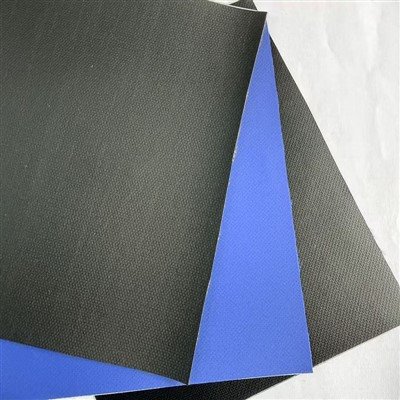
I’ve seen so many people write off Oxford as a fancy shirt fabric, but that’s just old info. The work-grade Oxford we make now is engineered for daily use. It’s tough enough to handle jobs, light enough to not be a burden, and versatile enough to work for so many different industries. Is it perfect? No. But for most workwear needs, it’s one of the best values out there.
Oxford Fabric At the end of the day, the right workwear depends on your job. If you’re a landscaper, electrician, or warehouse worker, Oxford will serve you great. If you’re doing demolition or welding, you’ll need something heavier. If you’re not sure, just reach out—we can help you pick the right weight and finish for your specific use case. No confusing jargon, no pressure, just honest advice from someone who’s been in the fabric game for years.
References
- Textile Institute. (2022). Oxford Fabric Properties and Applications. Manchester: Textile Institute.
- Occupational Safety and Health Administration (OSHA). (2021). Workwear Material Durability and Safety Guidelines. Washington, D.C.: U.S. Department of Labor.
- Cotton Council International. (2020). Performance Characteristics of Cotton Blends for Work Apparel. Memphis: Cotton Council International.
Dongyang Huangxiu Leather & Plastic Co., Ltd.
With abundant experience, we are one of the most professional oxford fabric manufacturers in China. We warmly welcome you to wholesale customized oxford fabric made in China here from our factory. If you have any enquiry about quotation and free sample, please feel free to email us.
Address: Huangxiu Leather & Plastic Products, No. 79 Shunda Road, Huashui Town, Dongyang City, Zhejiang Province
E-mail: x372921764@163.com
WebSite: https://www.huangxiutextile.com/
