Hey there! I’m a supplier of metalworking fluids, and I get this question a lot: "Can different types of metalworking fluids be mixed?" It’s a valid concern, especially when you’re trying to make the most of what you have or figure out a quick fix. So, let’s dive into this topic and see what’s what. Metalworking Fluid
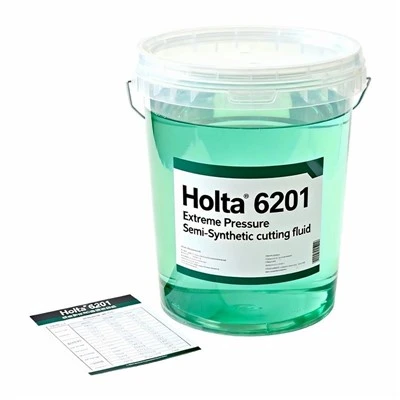
Why Would You Even Want to Mix Metalworking Fluids?
First off, let’s talk about why someone might think about mixing different types of metalworking fluids. Sometimes, you might run out of a particular fluid in the middle of a project, and it seems like a good idea to top it off with a different one. Other times, you might be trying to save money by combining two or more fluids. Or maybe you’re just curious to see if you can create a custom mixture that works better for your specific needs.
The Risks of Mixing Different Types of Metalworking Fluids
Now, here’s the thing: mixing different types of metalworking fluids can be a risky business. Different fluids are formulated to have specific properties and perform specific tasks. When you mix them, you can end up with a whole bunch of problems.
Chemical Reactions
One of the biggest risks of mixing metalworking fluids is the potential for chemical reactions. Some fluids contain additives that can react with each other, causing the mixture to break down or form harmful byproducts. For example, if you mix a fluid that contains sulfur with one that contains chlorine, you could end up with a chemical reaction that produces hydrogen sulfide gas, which is highly toxic.
Compatibility Issues
Even if the fluids don’t react chemically, they might not be compatible in terms of their physical properties. For example, some fluids are designed to be water-based, while others are oil-based. If you mix the two, you could end up with a mixture that separates into layers or forms an emulsion that’s difficult to manage.
Performance Problems
Mixing different types of metalworking fluids can also affect their performance. Each fluid is formulated to provide specific lubrication, cooling, and corrosion protection properties. When you mix them, you might end up with a mixture that doesn’t provide the same level of protection or performance as the individual fluids. This can lead to increased tool wear, poor surface finish, and other problems.
Factors to Consider Before Mixing Metalworking Fluids
If you’re still thinking about mixing different types of metalworking fluids, there are a few factors you need to consider first.
Fluid Type
The first thing you need to consider is the type of fluid you’re working with. As I mentioned earlier, different fluids are formulated to have specific properties and perform specific tasks. Make sure you understand the properties of each fluid and whether they’re compatible with each other.
Additives
Many metalworking fluids contain additives that can enhance their performance. However, these additives can also react with each other, causing problems. Make sure you know what additives are in each fluid and whether they’re compatible.
pH Level
The pH level of a metalworking fluid is an important factor to consider. Some fluids are acidic, while others are alkaline. If you mix fluids with different pH levels, you could end up with a mixture that’s too acidic or too alkaline, which can cause corrosion and other problems.
Manufacturer Recommendations
Finally, always check the manufacturer’s recommendations before mixing different types of metalworking fluids. Most manufacturers provide detailed information about the compatibility of their fluids and whether they can be mixed with other fluids. Following these recommendations can help you avoid problems and ensure that your metalworking operations run smoothly.
When Mixing Metalworking Fluids Might Be Okay
While mixing different types of metalworking fluids is generally not recommended, there are a few situations where it might be okay.
Same Manufacturer, Same Type
If you’re using fluids from the same manufacturer and of the same type (e.g., two water-based coolants), it’s generally safe to mix them. However, you should still check the manufacturer’s recommendations to make sure.
Minor Topping-Off
If you’re running low on a particular fluid and need to top it off with a small amount of a different fluid, it might be okay. However, make sure the two fluids are compatible and that you’re not adding too much of the second fluid.
Experimental Purposes
If you’re conducting experiments or doing research, you might want to mix different types of metalworking fluids to see what happens. However, make sure you do this in a controlled environment and take all necessary safety precautions.
How to Minimize the Risks of Mixing Metalworking Fluids
If you decide to mix different types of metalworking fluids, there are a few things you can do to minimize the risks.
Test the Mixture
Before you start using the mixture in your metalworking operations, test it to make sure it’s compatible and performs as expected. You can do this by mixing a small amount of the fluids together and observing the results.
Monitor the Mixture
Once you start using the mixture, monitor it closely to make sure it’s still performing as expected. Check the pH level, the concentration, and the appearance of the mixture regularly. If you notice any changes, stop using the mixture immediately and investigate the cause.
Follow Good Hygiene Practices
To prevent contamination and other problems, follow good hygiene practices when handling metalworking fluids. This includes using clean containers and equipment, storing the fluids properly, and disposing of them safely.
Conclusion
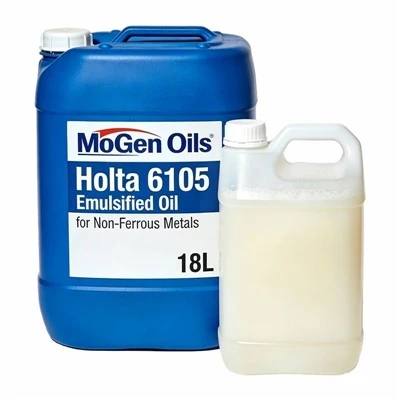
So, to answer the question "Can different types of metalworking fluids be mixed?" the answer is: it depends. While it’s generally not recommended to mix different types of fluids, there are a few situations where it might be okay. However, before you do, make sure you understand the risks and take all necessary precautions to minimize them.
Gasoline Engine Oil If you have any questions or need help choosing the right metalworking fluids for your needs, don’t hesitate to contact me. I’m here to help you make the most of your metalworking operations and ensure that they run smoothly and efficiently. You know, picking the perfect fluid can make a huge difference in how well your projects turn out and how long your tools last. Let’s talk and see how we can find the best solutions for you.
References
- ASM Handbook Committee. (2009). ASM Handbook Volume 1 Machining. ASM International.
- Davies, A. (2014). Metalworking Fluids: A Guide for the Metalworking Industry. Rapra Technology Limited.
- Shaw, M. C. (2005). Metal Cutting Principles. Oxford University Press.
MoGen Lubricating Oils
With abundant experience, we are one of the most professional metalworking fluid manufacturers and suppliers in China. We warmly welcome you to wholesale custom made metalworking fluid from our factory. If you have any enquiry about cooperation, please feel free to email us.
Address: No.8003 Chewang Rd, Economic Development Zone Of Jinan, Shandong Province, China 250301
E-mail: sales@mogenoils.com
WebSite: https://www.mogen-oil.com/
