Hey there! I’m a supplier of PVC printing film, and today I wanna chat about one super important aspect of our product: the heat resistance of PVC printing film. PVC Printing Film
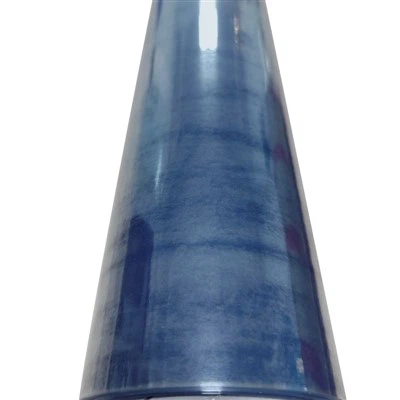
So, first off, what exactly is heat resistance? Well, it’s the ability of a material to withstand high temperatures without losing its physical and chemical properties. In the case of PVC printing film, heat resistance plays a huge role in determining its performance and durability in various applications.
Let’s start by understanding the basic composition of PVC printing film. PVC, or polyvinyl chloride, is a synthetic plastic polymer. It’s known for its versatility, affordability, and wide range of applications. When it comes to printing film, PVC is often combined with other additives to enhance its properties, like flexibility, color stability, and of course, heat resistance.
The heat resistance of PVC printing film can vary significantly depending on a few key factors. One of the most important factors is the type and amount of additives used. For example, heat stabilizers are commonly added to PVC to prevent it from degrading when exposed to high temperatures. These stabilizers work by neutralizing the hydrochloric acid that’s released when PVC breaks down under heat, which helps to maintain the integrity of the film.
Another factor that affects heat resistance is the manufacturing process. The way the PVC is extruded, calendered, or otherwise processed can have a big impact on its heat – resistant properties. For instance, a well – controlled extrusion process can ensure a more uniform distribution of additives, which in turn can lead to better heat resistance.
Now, let’s talk about the different levels of heat resistance in PVC printing film and where they’re commonly used.
Low – heat – resistant PVC printing film
This type of film can typically withstand temperatures up to around 60 – 80°C. It’s often used in applications where the temperature doesn’t get too high. For example, it’s great for indoor signage, like posters and wall decals. Since these are usually in a climate – controlled environment, they don’t need to endure extreme heat. It’s also commonly used for packaging of non – heat – sensitive products. The low – heat – resistant PVC film is cost – effective, which makes it a popular choice for these types of applications. However, if it’s exposed to temperatures above its limit, it might start to warp, lose its color, or even become brittle.
Medium – heat – resistant PVC printing film
This category can handle temperatures in the range of 80 – 120°C. It’s suitable for a wider range of applications. One common use is in automotive interiors. In cars, the temperature inside can get quite high, especially on sunny days. PVC printing film with medium heat resistance can be used for dashboard covers, door panels, and seat upholstery. It can also be used in some industrial applications where the film needs to be exposed to moderately high temperatures during the manufacturing or assembly process.
High – heat – resistant PVC printing film
The high – heat – resistant PVC printing film can withstand temperatures above 120°C, sometimes even up to 150°C or more. This is often used in more demanding applications. For example, in the electronics industry, it can be used as insulation or protective film for circuit boards. Circuit boards can generate a significant amount of heat during operation, so a high – heat – resistant film is necessary to ensure the safety and longevity of the components. It’s also used in some outdoor applications where the film is exposed to direct sunlight and high ambient temperatures for extended periods, like in outdoor billboards or traffic signs.
But how do we test the heat resistance of PVC printing film? There are several standard tests that we use in the industry. One common method is the heat distortion temperature (HDT) test. In this test, a sample of the film is subjected to a constant load while being heated at a controlled rate. The temperature at which the sample deforms by a certain amount is recorded as the HDT. This gives us an idea of how well the film can withstand heat under stress.
Another test is the Vicat softening temperature test. In this test, a needle with a specific cross – sectional area is pressed against the film with a constant force, and the film is heated at a controlled rate. The temperature at which the needle penetrates the film to a specified depth is the Vicat softening temperature. This test helps us understand the temperature at which the film starts to lose its rigidity.
As a supplier, we take heat resistance very seriously. We invest a lot of time and resources in research and development to improve the heat – resistant properties of our PVC printing film. We work closely with our customers to understand their specific needs and recommend the right type of film for their applications.
If you’re in the market for PVC printing film, it’s crucial to consider the heat resistance requirements of your project. Using a film with insufficient heat resistance can lead to all sorts of problems, like poor performance, reduced lifespan, and even safety issues. On the other hand, using a film with higher heat resistance than you actually need can be more expensive and might not provide any additional benefits.
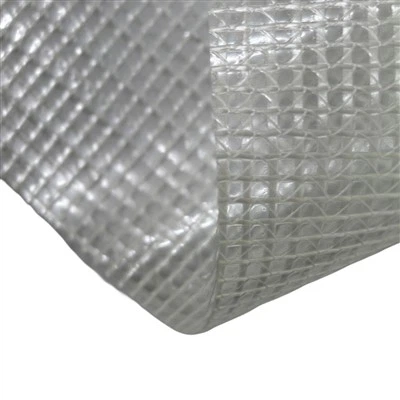
We’re always here to help you make the right choice. Whether you’re working on a small indoor signage project or a large – scale industrial application, we can offer you the best PVC printing film with the appropriate heat resistance.
PVC Film So, if you’re interested in our PVC printing film or have any questions about heat resistance or other properties, don’t hesitate to reach out to us. We’d love to have a chat and discuss how we can meet your printing film needs.
References
- ASTM International standards on plastic testing (ASTM D648 – 07 for HDT and ASTM D1525 – 09 for Vicat softening temperature)
- "Handbook of PVC Formulating" by Edward J. Wickson
- Industry research reports on PVC and its applications
Nantong Dahe Composite New Material Technology Co., Ltd.
We’re well-known as one of the leading PVC printing film manufacturers and suppliers in China, specialized in providing high quality customized products to global clients. Please feel free to wholesale cheap PVC printing film in stock here from our factory. Contact us for quotation and free sample.
Address: South Side of Pinghai Highway, Pinghe Village, Dongshe Town, Tongzhou District, Nantong City, Jiangsu Province, China
E-mail: nantongdahe@outlook.com
WebSite: https://www.cndahetech.com/
