What are the cost – saving measures for automotive plastic air vent housing?
As a supplier of automotive plastic air vent housing, I’ve witnessed firsthand the intense competition in the automotive market. Cost – saving is a crucial aspect for both our company and our customers, including automakers and aftermarket suppliers. In this blog, I’ll share several effective cost – saving measures for automotive plastic air vent housing. Automotive Plastic Air Vent Housing
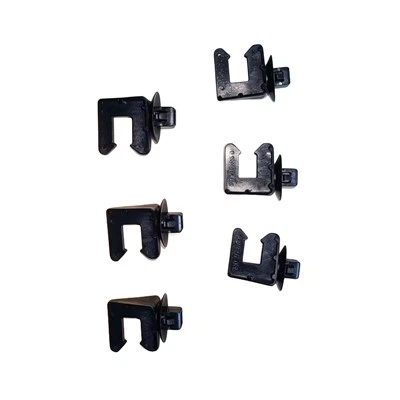
1. Material Selection
The choice of materials plays a significant role in controlling the cost of automotive plastic air vent housing. High – performance engineering plastics are often used due to their durability, heat resistance, and aesthetic appeal. However, these materials can be quite expensive.
One cost – saving approach is to conduct a thorough material evaluation. Instead of immediately opting for the most expensive high – end plastics, we can look for alternative materials that still meet the necessary requirements. For example, some general – purpose plastics can be used if the air vent housing is not exposed to extreme conditions. Polypropylene (PP) is a relatively inexpensive plastic that offers good chemical resistance and processability. By using PP for non – critical air vent components, we can significantly reduce material costs.
Another strategy is to use recycled plastics. With the growing emphasis on sustainability, using recycled plastics not only helps to reduce costs but also aligns with environmental goals. Many automotive manufacturers are now more open to using recycled materials in non – visible parts, such as the internal structure of air vent housings. We need to ensure that the recycled plastics meet the quality standards, such as having the appropriate mechanical properties and dimensional stability. This can be achieved through strict quality control and testing during the material sourcing process.
2. Design Optimization
Efficient design can lead to substantial cost savings. A well – designed air vent housing should minimize material usage while maintaining its functionality and strength.
Firstly, we can simplify the design of the air vent housing. Complex shapes and excessive features often require more material and longer manufacturing times. For example, reducing the number of unnecessary ribs or protrusions can reduce the weight of the part and thus the material cost. Additionally, a simpler design can lead to faster injection molding cycles, which reduces production costs.
Secondly, we can adopt modular design principles. By dividing the air vent housing into smaller, standardized modules, we can increase production efficiency. These modules can be mass – produced and then assembled, which is more cost – effective than producing a single, large – scale part. Moreover, modular design allows for easier replacement of damaged or worn – out components, reducing the overall cost of maintenance and repair for the end – users.
In addition, design for manufacturability (DFM) is essential. The design should be optimized to fit the manufacturing process. For injection molding, this means considering factors such as gate location, draft angles, and wall thickness uniformity. A well – designed part with proper DFM can reduce the number of defective parts and improve the overall production yield, which in turn lowers costs.
3. Manufacturing Process Improvement
The manufacturing process has a direct impact on the cost of automotive plastic air vent housing. Injection molding is the most common manufacturing method for plastic air vent housings, and there are several ways to improve its efficiency.
One way is to optimize the injection molding parameters. By fine – tuning parameters such as injection speed, pressure, and temperature, we can achieve better part quality and reduce cycle times. For example, a higher injection speed can fill the mold cavity more quickly, but it may also cause issues such as flash or warping if not properly controlled. By conducting experiments and simulations, we can find the optimal parameter settings for each specific part design.
Another aspect is to upgrade the manufacturing equipment. Newer injection molding machines are often more energy – efficient and have better process control capabilities. They can also handle larger production volumes with higher precision. Although the initial investment in new equipment is high, the long – term cost savings in terms of energy consumption, reduced scrap rates, and increased productivity can be substantial.
Furthermore, we can implement lean manufacturing principles in our production facilities. Lean manufacturing focuses on eliminating waste in all forms, including overproduction, waiting time, transportation, and excess inventory. By streamlining the production process, reducing setup times, and improving inventory management, we can reduce costs and improve overall efficiency.
4. Supplier Collaboration
Collaborating closely with our suppliers can also bring cost – saving opportunities. We can negotiate better pricing for raw materials, tooling, and other supplies. By establishing long – term partnerships with reliable suppliers, we can often get volume discounts and more favorable payment terms.
In addition, suppliers can provide valuable insights into new materials, technologies, and manufacturing processes. For example, a material supplier may introduce us to a new type of plastic that offers similar performance at a lower cost. By working together, we can explore these opportunities and implement them in our production.
We can also collaborate with suppliers on joint research and development projects. For instance, we can work with a tooling supplier to develop more cost – effective molds. By sharing the costs and risks of R & D, we can develop innovative solutions that reduce the overall cost of the air vent housing.
5. Quality Control and Scrap Reduction
Effective quality control is crucial for cost – saving. By preventing defective parts from being produced, we can reduce the cost of rework, scrap, and customer returns.
We should establish a comprehensive quality control system that covers every stage of the production process, from raw material inspection to final product testing. This includes using advanced inspection equipment, such as coordinate measuring machines (CMM) and optical inspection systems, to ensure the dimensional accuracy and surface quality of the air vent housing.
In addition, we need to analyze the root causes of defects and take corrective actions. By continuously improving the production process based on quality control data, we can reduce the occurrence of defects over time. For example, if we find that a certain type of defect is caused by a specific injection molding parameter, we can adjust the parameter to eliminate the defect.
Reducing scrap is also an important part of cost – saving. Scrap parts not only waste materials but also consume production time and energy. We can implement measures such as recycling scrap materials, improving process control to prevent scrap, and reusing defective parts through rework if possible.
Conclusion

In conclusion, there are multiple cost – saving measures for automotive plastic air vent housing, including material selection, design optimization, manufacturing process improvement, supplier collaboration, and quality control. As a supplier, it’s our responsibility to continuously explore these opportunities and implement them in our business operations. By doing so, we can not only offer more competitive prices to our customers but also improve our own profitability and competitiveness in the market.
Plastic Auto Parts If you’re interested in our automotive plastic air vent housing products and want to discuss potential cost – saving solutions for your specific needs, please don’t hesitate to contact us. We’re eager to have in – depth discussions with you and find the best solutions together.
References
- "Plastics in Automotive Applications" – A technical report on the use of plastics in the automotive industry.
- "Manufacturing Engineering Handbook" – A comprehensive guide on manufacturing processes and cost – saving techniques.
- Industry whitepapers on automotive plastic component production and cost management.
Ningbo Xiaohua Plastic Industry Co., Ltd.
We are one of the most experienced automotive plastic air vent housing manufacturers and suppliers in China, specialized in providing high quality customized service to global clients. We warmly welcome you to wholesale durable automotive plastic air vent housing in stock here from our factory.
Address: No. 878, Gulin Section, Yinxian Avenue, Haishu District, Ningbo City, Zhejiang Province
E-mail: 13736009355@163.com
WebSite: https://www.cnxiaohua.com/
