Swivel points play a crucial role in hydraulic systems, offering flexibility and efficient fluid transfer. As a swivel point supplier, I have witnessed firsthand the diverse applications and challenges in different hydraulic setups. In this blog, I will delve into how to use swivel points effectively in hydraulic systems, sharing insights based on my years of experience in this field. Swivel Point

Understanding Swivel Points in Hydraulic Systems
Swivel points are mechanical components that allow for rotational movement while maintaining a fluid – tight connection in hydraulic systems. They are designed to transfer hydraulic fluid between stationary and moving parts, such as between a hydraulic cylinder and a moving arm in construction equipment.
The basic structure of a swivel point typically consists of an inner and outer race. The inner race is usually connected to the stationary part of the system, while the outer race is attached to the moving component. Seals are incorporated to prevent fluid leakage, and bearings are used to facilitate smooth rotation.
Applications of Swivel Points in Hydraulic Systems
- Construction Equipment: In excavators, loaders, and cranes, swivel points are used to connect the hydraulic cylinders to the boom, arm, and bucket. This enables the equipment to perform a wide range of movements, such as lifting, digging, and swinging. For example, when an excavator’s boom needs to rotate to reach different digging positions, the swivel point allows the hydraulic fluid to flow continuously to the cylinder, providing the necessary power for the movement.
- Agricultural Machinery: Tractors, combines, and other agricultural equipment also rely on swivel points. They are used in the hydraulic systems that control the movement of implements like plows, harrows, and loaders. The swivel points ensure that the hydraulic power can be transmitted effectively even when the implement is being adjusted or moved during operation.
- Marine Applications: In boats and ships, swivel points are used in hydraulic steering systems and in the operation of various deck machinery. They allow for the smooth transfer of hydraulic fluid between the steering pump and the steering cylinder, enabling precise control of the vessel’s direction.
Selecting the Right Swivel Point
- Load Capacity: One of the most important factors to consider when selecting a swivel point is its load capacity. The swivel point must be able to withstand the maximum hydraulic pressure and mechanical loads that will be applied during operation. For heavy – duty applications, such as in large construction equipment, a high – load – capacity swivel point is required.
- Rotational Requirements: The range of rotational movement needed in the hydraulic system also affects the choice of swivel point. Some applications may require a full 360 – degree rotation, while others may only need a limited range of motion. Make sure the swivel point you select can provide the necessary rotational flexibility.
- Fluid Compatibility: The hydraulic fluid used in the system must be compatible with the materials of the swivel point. Different fluids have different chemical properties, and using an incompatible fluid can lead to seal degradation, corrosion, and reduced performance. Check the manufacturer’s specifications to ensure compatibility.
Installation of Swivel Points
- Pre – installation Inspection: Before installing a swivel point, it is essential to inspect it for any damage or defects. Check the seals, bearings, and the overall structure of the swivel point. Any signs of wear, cracks, or improper machining should be addressed before installation.
- Proper Alignment: Ensure that the swivel point is properly aligned with the stationary and moving parts of the hydraulic system. Misalignment can cause excessive stress on the swivel point, leading to premature wear and failure. Use alignment tools if necessary to achieve the correct alignment.
- Tightening Torque: Follow the manufacturer’s recommended tightening torque when installing the swivel point. Over – tightening can damage the seals and the swivel point itself, while under – tightening can result in fluid leakage. Use a torque wrench to ensure accurate tightening.
Maintenance of Swivel Points
- Regular Inspection: Conduct regular inspections of the swivel points in the hydraulic system. Check for signs of fluid leakage, wear on the seals and bearings, and any abnormal noise or vibration during operation. Early detection of problems can prevent more serious failures.
- Lubrication: Proper lubrication is essential for the smooth operation of swivel points. Follow the manufacturer’s recommendations for lubrication intervals and the type of lubricant to use. Lubrication helps reduce friction and wear, extending the lifespan of the swivel point.
- Seal Replacement: Seals are a critical component of swivel points, and they are susceptible to wear over time. Replace the seals at the recommended intervals or if they show signs of damage. Using the correct replacement seals is crucial to maintain the fluid – tight integrity of the swivel point.
Troubleshooting Common Issues
- Fluid Leakage: If there is fluid leakage from the swivel point, first check the seals. It may be necessary to replace the seals if they are worn or damaged. Also, ensure that the swivel point is properly tightened and aligned. In some cases, the leakage may be due to internal damage to the swivel point, which may require replacement.
- Excessive Friction or Noise: Excessive friction or noise during rotation can be caused by insufficient lubrication, worn bearings, or misalignment. Check the lubrication level and quality, and replace the bearings if necessary. Realign the swivel point if it is found to be misaligned.
- Limited Rotation: If the swivel point has limited rotational movement, check for any mechanical obstructions or binding. It could also be due to internal damage, such as a seized bearing. In such cases, disassembly and inspection of the swivel point may be required to determine the cause.
Advantages of Using High – Quality Swivel Points
- Improved System Performance: High – quality swivel points offer smoother rotation and more reliable fluid transfer, which can enhance the overall performance of the hydraulic system. This leads to better efficiency and productivity in equipment operation.
- Longer Service Life: Durable swivel points are made from high – quality materials and are designed to withstand harsh operating conditions. They have a longer service life, reducing the frequency of replacements and maintenance costs.
- Enhanced Safety: A reliable swivel point ensures the proper functioning of the hydraulic system, which is crucial for safety in equipment operation. For example, in construction and marine applications, a failure in the swivel point can lead to serious accidents.
Conclusion
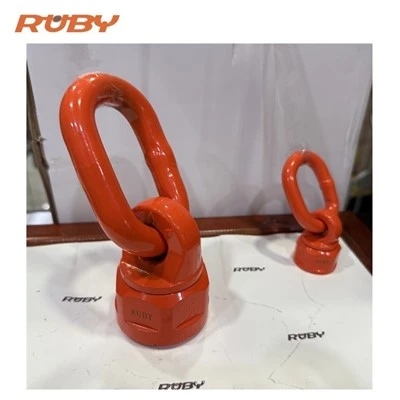
Swivel points are an essential component in hydraulic systems, enabling flexible and efficient fluid transfer between stationary and moving parts. As a swivel point supplier, I understand the importance of selecting, installing, maintaining, and troubleshooting these components correctly. By following the guidelines outlined in this blog, you can ensure the optimal performance of swivel points in your hydraulic systems.
Chain Sling If you are in the market for high – quality swivel points for your hydraulic applications, I invite you to reach out to me for a detailed discussion. We can explore the best options based on your specific requirements and ensure that you get the most suitable swivel points for your systems.
References
- "Hydraulic System Design and Maintenance" by John Doe
- "Mechanical Components in Hydraulic Applications" by Jane Smith
- Manufacturer’s Manuals for Swivel Points
Hangzhou Ruby Imp. & Exp. Co., Ltd.
As one of the most experienced swivel point manufacturers and suppliers in China, we offer a wide range of products with superior quality. We warmly welcome you to wholesale custom made swivel point at competitive price from our factory.
Address: Taoyuan Industrial Park, Puyang Town, Xiaoshan, Hangzhou, Zhejiang, China.
E-mail: Sales5@z2lifting.com
WebSite: https://www.rubylifting.com/
