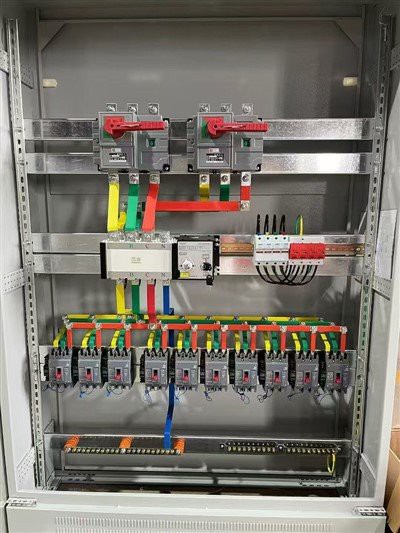
Hey there! I’m a supplier of Functional Distribution Boxes, and I know how crucial it is to ensure electromagnetic compatibility (EMC) in these boxes. In this blog, I’ll share some tips and tricks on how to make sure your Functional Distribution Box plays nice with other electronic devices in terms of electromagnetic interference. Functional Distribution Box
Understanding Electromagnetic Compatibility (EMC)
First off, let’s get a quick understanding of what EMC is. EMC is all about making sure that electronic devices can operate without causing or being affected by electromagnetic interference (EMI). In the case of a Functional Distribution Box, it needs to be able to distribute power and signals to various components without creating a mess of electromagnetic noise that could disrupt other nearby devices.
There are two main aspects of EMC: emissions and immunity. Emissions refer to the amount of electromagnetic energy that a device radiates or conducts into the environment. Immunity, on the other hand, is the ability of a device to withstand electromagnetic interference from other sources.
Design Considerations for EMC
1. PCB Layout
The printed circuit board (PCB) layout is one of the most critical factors in ensuring EMC. When designing the PCB for a Functional Distribution Box, you need to pay close attention to the placement of components and the routing of traces.
- Component Placement: Try to group components with similar functions together. For example, keep power supply components away from sensitive signal components. This helps to reduce the chances of electromagnetic coupling between different parts of the circuit.
- Trace Routing: Use short and direct traces whenever possible. Avoid sharp corners and loops, as these can act as antennas and radiate electromagnetic energy. Also, make sure to keep power and signal traces separated to minimize interference.
2. Shielding
Shielding is another important technique for reducing electromagnetic emissions. A well-designed shield can prevent electromagnetic energy from escaping the Functional Distribution Box and interfering with other devices.
- Metal Enclosures: Using a metal enclosure for the Functional Distribution Box is a great way to provide shielding. Metal enclosures can act as a Faraday cage, blocking electromagnetic radiation from entering or leaving the box. Make sure the enclosure is properly grounded to ensure effective shielding.
- Shielded Cables: When connecting the Functional Distribution Box to other devices, use shielded cables. Shielded cables have a conductive layer that helps to prevent electromagnetic interference from being picked up or radiated by the cable.
3. Grounding
Proper grounding is essential for EMC. A good grounding system can help to reduce electromagnetic noise and provide a path for unwanted currents to flow.
- Single Point Grounding: Use a single point grounding scheme for the Functional Distribution Box. This means that all ground connections should be made to a single point, which helps to minimize ground loops and reduce electromagnetic interference.
- Ground Plane: On the PCB, use a ground plane to provide a low-impedance path for current return. A ground plane can also help to reduce electromagnetic radiation by acting as a shield.
Testing and Certification
Once you’ve designed your Functional Distribution Box with EMC in mind, it’s important to test it to make sure it meets the relevant EMC standards. There are several testing methods available, including radiated emissions testing, conducted emissions testing, and immunity testing.
- Radiated Emissions Testing: This test measures the amount of electromagnetic radiation that the Functional Distribution Box emits into the environment. The box is placed in an anechoic chamber, and the radiation is measured using a spectrum analyzer.
- Conducted Emissions Testing: This test measures the amount of electromagnetic interference that is conducted through the power and signal cables of the Functional Distribution Box. The box is connected to a power source and a load, and the interference is measured using a line impedance stabilization network (LISN).
- Immunity Testing: This test measures the ability of the Functional Distribution Box to withstand electromagnetic interference from other sources. The box is exposed to various types of electromagnetic interference, such as radio frequency (RF) radiation and electrostatic discharge (ESD), and its performance is monitored.
Once your Functional Distribution Box has passed the EMC tests, you can obtain certification from a recognized testing laboratory. This certification can help to demonstrate the quality and reliability of your product and make it more attractive to customers.
Maintenance and Upgrades
Even after your Functional Distribution Box has been installed and is in operation, it’s important to perform regular maintenance to ensure its continued EMC performance. This includes checking the grounding connections, inspecting the shielding, and replacing any damaged components.
- Grounding Checks: Periodically check the grounding connections of the Functional Distribution Box to make sure they are secure and free of corrosion. Loose or corroded grounding connections can increase the risk of electromagnetic interference.
- Shielding Inspections: Inspect the shielding of the Functional Distribution Box for any signs of damage or wear. If the shielding is damaged, it may need to be repaired or replaced to maintain its effectiveness.
- Component Replacements: If any components in the Functional Distribution Box are damaged or malfunctioning, replace them as soon as possible. Faulty components can increase the risk of electromagnetic interference and affect the performance of the box.
In addition to maintenance, you may also need to consider upgrading your Functional Distribution Box over time to keep up with changing EMC requirements. This could involve adding new shielding or grounding features, or upgrading the PCB design to improve EMC performance.
Conclusion

Ensuring the electromagnetic compatibility of a Functional Distribution Box is essential for its reliable operation and for the proper functioning of other electronic devices in the vicinity. By following the design considerations, testing and certification procedures, and maintenance and upgrade practices outlined in this blog, you can help to ensure that your Functional Distribution Box meets the highest standards of EMC.
Distribution Cabinet If you’re in the market for a high-quality Functional Distribution Box that is designed with EMC in mind, I’d love to hear from you. We have a wide range of products to choose from, and our team of experts can help you find the right solution for your needs. Just reach out to us, and we’ll be happy to discuss your requirements and provide you with a quote.
References
- Electromagnetic Compatibility Engineering, Henry W. Ott
- EMC for Product Designers, Tim Williams
- IEEE Standards for Electromagnetic Compatibility
Anhui Nanxian Electric Co., Ltd.
With abundant experience, we are one of the most professional functional distribution box manufacturers and suppliers in China. We warmly welcome you to buy advanced functional distribution box for sale here and get quotation from our factory. All customized products are with high quality and low price.
Address: Factory Unit 03-2, Building 21, Feidong Yinfeng Industrial Park Co., Ltd., Northeast Corner of Manquan Road and Changle Road, Hefei Circular Economy Demonstration Park, Feidong County, Hefei City, Anhui Province.
E-mail: 541580567@qq.com
WebSite: https://www.nxelepower.com/
