Raised access floor panels have emerged as a cornerstone in modern building infrastructure, offering versatile solutions for a wide range of commercial and industrial environments. One of their most significant applications lies in supporting ventilation systems, a critical aspect of maintaining indoor air quality and ensuring the comfort and productivity of building occupants. As a supplier of raised access floor panels, I have witnessed firsthand how these innovative products enhance ventilation efficiency in various settings. In this blog, I will elaborate on how raised access floor panels effectively support ventilation systems and the benefits they bring. Raised Access Floor Panels
Understanding the Basics of Raised Access Floor Panels
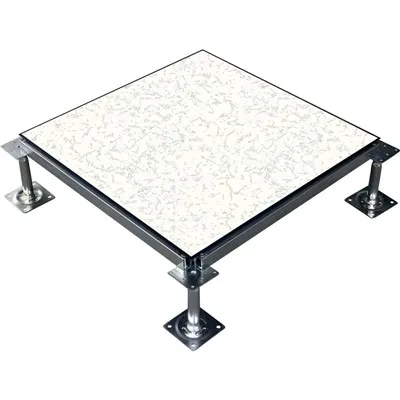
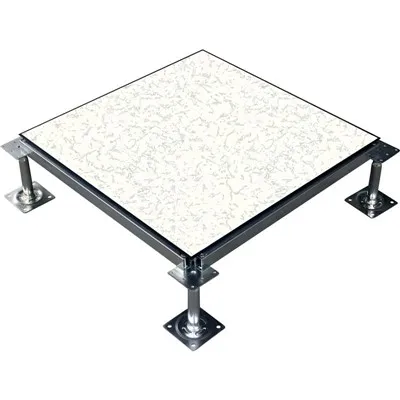
Before delving into their role in ventilation, let’s understand what raised access floor panels are. These panels create a void space above the building’s structural floor. They are typically made from materials like steel, aluminum, cement, or wood composites, each with unique properties suitable for different applications. The panels are supported by a framework of pedestals, allowing easy removal and reconfiguration, which is crucial for accessing building services such as electrical wiring, data cabling, and, most importantly, ventilation ducts.
Air Distribution Efficiency
One of the primary ways raised access floor panels support ventilation systems is by facilitating efficient air distribution. In traditional ventilation setups, overhead ducts are used to deliver conditioned air to different parts of a building. However, this approach can lead to uneven air distribution, with some areas receiving too much air while others are left with insufficient ventilation.
Raised access floors address this issue by using the underfloor plenum as a large air distribution chamber. Conditioned air is supplied to the plenum through dedicated air handling units. The air then travels through the open space beneath the floor panels and is released into the occupied space through floor diffusers strategically placed throughout the room. This method ensures a more uniform distribution of air, as the underfloor plenum allows the air to spread evenly before reaching the diffusers.
The ability to control the location and airflow rate of individual floor diffusers is another advantage of raised access floor ventilation systems. This allows for customized air distribution based on the specific needs of different areas within a building. For example, areas with high occupancy or heat-generating equipment can be provided with higher airflow rates, while less critical areas can receive a lower volume of air.
Improved Indoor Air Quality
Raised access floor panels also contribute to improved indoor air quality (IAQ). By using the underfloor plenum for air distribution, the ventilation system can effectively remove contaminants, such as dust, allergens, and volatile organic compounds (VOCs), from the occupied space. The air is drawn into the plenum through floor grilles or returns and then filtered and conditioned before being recirculated or exhausted from the building.
The underfloor ventilation system also helps to prevent the buildup of stagnant air pockets, which can harbor mold and bacteria. The continuous movement of air through the underfloor plenum ensures a fresh supply of air to all parts of the room, reducing the risk of indoor air pollution and associated health problems.
In addition, raised access floors can be designed to incorporate advanced air filtration technologies, such as high-efficiency particulate air (HEPA) filters and activated carbon filters. These filters can remove a wide range of contaminants, including fine particles, odors, and harmful gases, further enhancing the IAQ.
Energy Efficiency
Energy efficiency is a major concern in modern building design, and raised access floor panels can play a significant role in reducing energy consumption. By using the underfloor plenum for air distribution, the ventilation system can take advantage of the natural buoyancy of warm air. In a heated building, the warm air rises to the ceiling, where it is typically removed by overhead ventilation systems. However, in a raised access floor ventilation system, the warm air can be drawn into the underfloor plenum through floor grilles or returns, where it can be reused for heating or ventilation purposes.
This approach reduces the need for additional heating or cooling, as the warm air is effectively recycled within the building. The underfloor plenum also acts as a thermal buffer, helping to maintain a more stable indoor temperature. This reduces the load on the heating and cooling systems, leading to lower energy consumption and cost savings.
Flexibility and Adaptability
Another key advantage of raised access floor panels in supporting ventilation systems is their flexibility and adaptability. Unlike traditional overhead ventilation ducts, which are often fixed and difficult to modify, raised access floors can be easily reconfigured to accommodate changes in building layout, occupancy, or ventilation requirements.
If a tenant decides to renovate their office space and change the room layout, the floor panels can be removed and repositioned to create new partitions or access points. The ventilation system can also be easily adjusted by relocating the floor diffusers or modifying the airflow rate through individual diffusers. This flexibility allows buildings to adapt to changing needs over time, reducing the need for costly and disruptive renovations.
Maintenance and Accessibility
Raised access floor panels provide easy access to the underfloor ventilation system for maintenance and repairs. The panels can be removed easily, allowing technicians to inspect and service the ventilation ducts, diffusers, and other components without causing significant disruption to the building occupants.
This easy accessibility also makes it easier to detect and address potential issues with the ventilation system, such as leaks, blockages, or equipment failures. By identifying and resolving these issues promptly, the ventilation system can operate at optimal efficiency, reducing the risk of breakdowns and costly repairs.
Conclusion
In conclusion, raised access floor panels offer numerous benefits in supporting ventilation systems. From efficient air distribution and improved indoor air quality to energy efficiency, flexibility, and ease of maintenance, these innovative products play a crucial role in creating comfortable and healthy indoor environments. As a supplier of raised access floor panels, I am committed to providing high-quality products and solutions that meet the diverse needs of our customers.
Low Profile Raised Floor If you are interested in learning more about how raised access floor panels can enhance your ventilation system, or if you are considering a new construction or renovation project that requires a reliable flooring solution, I encourage you to contact me for a personalized consultation. I would be more than happy to discuss your specific requirements and provide you with the information and support you need to make an informed decision.
References
- McCartney, L., & Yik, F. W.-H. (2005). A review of underfloor air distribution systems. Building and Environment, 40(2), 319-331.
- Schiavon, S., & Melikov, A. K. (2016). Occupant comfort and perception in underfloor air distribution systems: A review. Building and Environment, 102, 180-195.
- Tham, K. W., & Hang, C. S. (2001). Performance evaluation of underfloor air distribution systems. Energy and Buildings, 33(8), 769-779.
Fineco Tech Co., Ltd.
As one of the most professional raised access floor panels manufacturers and suppliers in China, we’re featured by quality products and good service. Welcome to wholesale customized raised access floor panels made in China here from our factory. If you have any enquiry about cooperation, please feel free to email us.
Address: Wuyue Square, Wujin District, Changzhou, Jiangsu, China
E-mail: info@finecotech.com
WebSite: https://www.finecoglobal.com/
