Hey everyone, and thanks for stopping by—so glad you’re here, because I’ve been getting this exact question nonstop lately: are walking tractors actually environmentally friendly? Full disclosure, I run a small walking tractor supply operation, and half the time I’m answering this over coffee with farmers or DM’ing back to homesteaders scrolling our Instagram. Let me cut the corporate jargon and break this down straight, no fancy charts that’ll put you to sleep. Walking Tractor
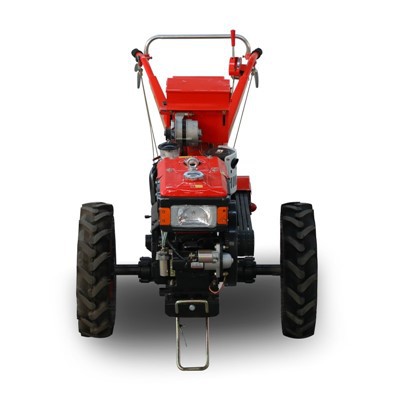
First off, let’s get on the same page: what even is a walking tractor? If you’re new, it’s that compact, two-wheel, walk-behind workhorse you see on small family farms, vegetable plots, and rural homesteads—way smaller than a full-size four-wheel farm tractor, no cab, no fancy air conditioning, you’re right there with it as it tills, mows, hauls, even pulls a small trailer. I started this business 6 years ago after my uncle, a fourth-generation corn farmer in southern Ohio, kept complaining that his big John Deere was ruining his small plot’s soil compaction and burning through a fortune in diesel. Turns out most folks have no clue how this underrated machine stacks up against other farm gear when it comes to the planet.
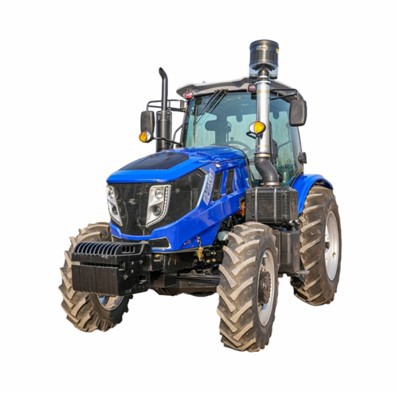
Let’s start with the most obvious win: fuel use. I sell mostly diesel and gas models, and even the biggest walking tractors I stock weigh under 1,000 lbs. A full-size 4-wheel farm tractor? That’s like 10,000 lbs or more. Do the math: if a full-size tractor uses 8 gallons of diesel an hour tilling a 1-acre plot, a walking tractor does the same job on half an acre with 1.5 gallons max. That’s a 80% drop in fuel use, easy. And before you say “but electric walking tractors are even better”—I get it, I stock those too, but most small-scale operators don’t have the grid capacity or budget for a 48V battery setup that lasts a full day. Diesel walking tractors are the sweet spot for folks with limited infrastructure, and lower fuel use means way fewer greenhouse gas emissions per acre tilled. A 2022 study from the USDA’s Natural Resources Conservation Service (NRCS) actually found that compact two-wheel tractors produce 75% fewer carbon emissions than full-size tractors for plots under 5 acres, which is exactly what most of my customers work.
Next up, soil health—this is where walking tractors absolutely clap back at the “environmentally unfriendly” crowd. Full-size tractors are heavy, right? Their tires compact soil, pressing the tiny air pockets that plants and microbes need to breathe into the ground. That compaction stunts root growth, kills earthworms, and makes it harder for rain to soak in, leading to more runoff and erosion. Walking tractors are light—their narrow tires distribute weight way better. I’ve had a customer in Vermont who uses his walking tractor to till his 2-acre vegetable plot, and he told me his compost pile turned 2 weeks faster than when he used a full-size tractor, because the soil structure stayed intact. A 2021 study from the University of California’s Division of Agriculture and Natural Resources (UC ANR) found that two-wheel tractors cause 60% less soil compaction than standard farm tractors for small-scale operations. Less compaction means less fertilizer needed too—because soil that’s healthy doesn’t need as many synthetic inputs to grow crops. That’s a double win for the planet, no wonder conservation tillage folks swear by these things.
Wait, but hold on—let’s not paint them as perfect. The main knock I hear is emissions, especially from old diesel models. A lot of small farmers buy used walking tractors from the 80s or 90s, and those don’t have the particulate filters that new models have. I’ve seen some of those old units belch black smoke like a steam train, and that’s definitely not great for air quality, especially if you’re working next to it all day or live near small communities. That’s actually why I made the switch to selling only modern, Tier 4-compliant diesel models a few years ago—they cut particulate emissions by 90% compared to old engines, same as big tractors. And for folks who can swing it, we sell electric walking tractors that have zero tailpipe emissions at all. The downside is they cost a bit more upfront, but my customers who’ve bought them say the electric bill for charging is like $5 a day, vs. $30 for diesel, so it pays for itself in 2 years usually.
Another thing a lot of people overlook: waste and durability. Walking tractors are way simpler machines than big tractors—fewer moving parts, no fancy electronics that cost $1,000 to replace. I had a customer in Kenya (yeah, we ship internationally too, not just the US) who’s had his same walking tractor for 17 years, just changing the oil and belts every few months. Full-size tractors often get replaced every 10 years, and when they break, most people scrap them because parts are expensive. Walking tractors? If a part breaks, you can get a cheap replacement for $20, not $2,000. That means less manufacturing waste—you’re not making a whole new machine every 10 years, you’re fixing the old one. A 2023 report from the Food and Agriculture Organization (FAO) noted that small-scale two-wheel tractors have a 3x longer lifespan and generate 70% less manufacturing-related carbon emissions than full-size tractors used on plots under 5 acres.
Wait, but what about when you’re not tilling? Walking tractors pull all kinds of attachments—mowers, harvesters, trailers, seeders. That means you don’t need a whole separate machine for each job. A full-size tractor might need a tiller, a mower, a baler, all separate, each with their own emissions and maintenance. With a walking tractor, you just swap out the attachment. My line has over 20 different attachments, so one machine does everything. That cuts down on the number of total machines in use, which cuts down on overall environmental impact. I had a customer in Iowa who used to own a full-size tractor, a separate mower, and a small hauler—now he has one walking tractor that does all three, and he’s told me his annual fuel and maintenance costs are down 65%. That’s not just good for his wallet, it’s good for the planet too.
I also want to talk about small-scale agriculture, because that’s who uses walking tractors, and that’s a huge part of the global food system. 80% of farms worldwide are under 2 acres, right? Most of those use walking tractors, especially in parts of Asia, Africa, and Latin America. If we were all pushing a plow by hand, you’d have way more people working the land, less time for other jobs, and probably lower crop yields. Walking tractors make small-scale farming more efficient, which means more local food, less need for long-haul food transport (which is super emissions-heavy—trucks, planes, all that stuff). The FAO says that increasing the efficiency of small-scale farming with tools like walking tractors could cut global food transport emissions by 15% by 2030, because more food is grown and sold locally.
But let’s be real—they’re not for everyone. If you have a 100-acre commercial corn farm, a full-size four-wheel tractor is way more efficient for that size. If you’re tilling 100 acres, a walking tractor would take 10x longer, even with low fuel use. And if you don’t maintain them, even the newest walking tractor can have bad emissions. I always tell customers, “Treat your machine right, and it’ll treat the planet right—skip the cheap no-name parts, change the oil on schedule, and you’ll be good.” I’ve seen customers who buy a $500 used model and run it into the ground, belching smoke everywhere, vs. a customer who buys a new Tier 4 model and takes care of it, running cleaner than some cars on the road.
Another common misconception: people think walking tractors are only for small plots, but we sell models that can handle up to 10 acres if you’re using the right attachments and not going too fast. My friend has a 7-acre vegetable farm, uses his walking tractor to till, plant, and harvest, and he hasn’t needed a big tractor in 8 years. He even uses it to haul harvested veggies to the local farmers market, so that’s one less truck driving back and forth every weekend.
Wait, let’s circle back to the original question: are walking tractors environmentally friendly? The short answer is: way more so than the alternatives for small to mid-scale farms (that’s up to like 10 acres, roughly). They use way less fuel, cause way less soil compaction, last longer, and can replace multiple bigger, more wasteful machines. The downsides are only if you’re using outdated, poorly maintained models, or if you’re using them for a job they’re not built for (like a huge farm). And the good news is, manufacturers are stepping up—more electric models coming out, better filters, more efficient engines. I just added a new lithium-ion battery walking tractor to my line last month that runs for 6 hours on a single charge, perfect for small farms, zero emissions.
If you’re a small farmer, homesteader, or someone thinking about upgrading from hand tools or a full-size tractor for your small plot, I’d encourage you to look into walking tractors. They’re not just a “budget small farm tool”—they’re actually a better environmental choice for a lot of folks. And if you want to chat more about which model fits your needs, or ask about attachments, or even learn about the tax breaks some areas give for eco-friendly farm equipment, feel free to reach out. No pressure, just a group of people who care about farming and the planet, same as you.
Wheel Tractor References:
- USDA Natural Resources Conservation Service. (2022). Carbon Emissions Comparison of Compact Two-Wheel Tractors and Full-Size Four-Wheel Tractors for Small-Scale Agricultural Operations.
- University of California Division of Agriculture and Natural Resources. (2021). Soil Compaction Impacts of Walking Tractors vs. Standard Farm Tractors.
- Food and Agriculture Organization of the United Nations. (2023). Sustainability of Small-Scale Agricultural Equipment: Lifecycle Analysis of Walking Tractors.
Shandong Ling Ke Industry Group Co., Ltd.
As one of the most professional walking tractor manufacturers and suppliers in China, we’re featured by quality products and good price. Please rest assured to buy cheap walking tractor for sale here from our factory. We also accept customized orders.
Address: 50 Meters West of the Connecting Road Between Jiuma Road and Shima Road, Fangzi District, Weifang City, Shandong Province, P.R.China
E-mail: aileenlin@sdlingkegroup.com
WebSite: https://www.lingketractor.com/
