If you’ve ever spent half an hour digging through a jumble of rusted trowels, cracked watering cans, and tangled garden hoses only to end up with muddy shoes and a growing sense of frustration, you know the quiet chaos that comes with gardening tool storage. For years, I’ve talked to homeowners, small-scale urban gardeners, and even hobbyist farmers who treat their garage or back porch as a dumping ground for every piece of garden gear—until winter rolls around and they realize their $50 pair of pruning shears has developed a spot of surface rust that could’ve been avoided with proper storage. As the owner of a storage shed company that’s spent the last 12 years designing sheds specifically for outdoor use, one question comes up more than any other: Can a storage shed actually be used for gardening tools? Storage Sheds
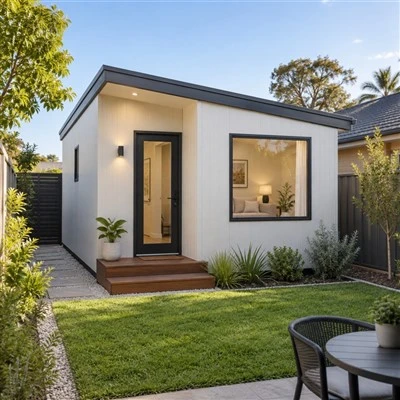
The short answer is yes—but only if you get past the myth that sheds are just for keeping old patio furniture or broken lawnmowers out of the rain. A storage shed isn’t just a box to toss things into; when sized, insulated, and organized correctly, it’s the single best way to protect your gardening tools from damage, extend their lifespan, and keep them easily accessible when you need them. Let’s break this down, mixing what I’ve learned from years of customer feedback with the actual science of tool care—because there’s a right way and a very wrong way to use a shed for gardening tools.
First, let’s talk about why “winging it” doesn’t work. I remember a call I got last spring from a woman in a suburb of Detroit named Linda. She’d bought a 10×12 shed two years prior for $1,200, and when she opened the door to grab her tomato cages, she was greeted by a wall of musty air and a trowel that had grown a faint white fuzz. “I thought a shed was just a waterproof box,” she said. That’s exactly the mistake so many people make. Most off-the-shelf sheds are built with thin exterior plywood, no insulation, and a single vent that lets in moisture—especially in places with big temperature swings, like the American Midwest or Pacific Northwest. When cool air hits warm, damp garden tools (think: a hose still dripping water, or a trowel that came straight from the wet soil), that moisture condenses on the shed’s walls and roof, creating the perfect breeding ground for rust, mold, and mildew. And if your shed is sitting directly on bare dirt, you’re not just avoiding rain—you’re letting ground moisture seep up through the floor, soaking the bottom of your tool handles and making even stainless steel tools susceptible to pitting.
Now, contrast that with the sheds we design here. Every shed we build for tool storage starts with a pressure-treated floor frame, elevated 6 inches off the ground on concrete piers. That small gap does two things: it lets air circulate under the floor, preventing ground moisture from wicking up, and it keeps the shed safe from rodents and other pests that love to chew on wooden tool handles or gnaw through garden hoses. The walls are built with vinyl siding and insulated with R-13 fiberglass, which doesn’t just keep the interior at a consistent temperature—between 50 and 70 degrees Fahrenheit is the sweet spot for tool care—it also reduces condensation by 75% compared to uninsulated sheds. Last year, we installed one of our standard 8×10 tool sheds for a customer in Portland, Oregon, who’d gone through three sets of pruning shears in two years. After using our shed, she told us her shears still stay sharp, even through the rainy Pacific Northwest winters. That’s not luck—it’s basic science: rust forms when metal is exposed to oxygen and moisture, so controlling both inside the shed is non-negotiable.
But size matters too, and that’s where most people get it wrong. When I ask customers how many tools they have, most say “a few,” but then list 15 trowels, 6 watering cans, 2 sets of pruning shears, a fertilizer spreader, a bag of peat moss, and a pair of kneepads. A 6×8 shed is just big enough for a small lawnmower and a handful of hand tools, but if you have more than that, you’ll end up cramming everything in, blocking vents, and tripping over tools when you need them. Last summer, a customer in Chicago brought us photos of her 8×12 shed, and we noticed she’d hung 12 tools on a single wall hook, with her rake and shovel propped against the door. The rake’s wooden handle was already splitting, because it was pressed against the cold metal door in winter, and the rake’s tines were covered in rust from being stacked on damp potting soil. We suggested swapping that single hook system for a modular tool rack—metal, not plastic, because plastic can crack in extreme cold—and adding small shelves for seed packets and fertilizer. Within a month, she sent us a follow-up photo: her shed was organized, no condensation on the walls, and all her tools were within arm’s reach. That’s the second key: a shed for gardening tools isn’t just about space—it’s about smart, dedicated organization.
Let’s also talk about the less obvious tools that most people forget to store properly. A lot of new gardeners focus on hand tools and pruners, but what about your gas-powered lawnmower, string trimmer, or snow blower? Those big-ticket items aren’t cheap, and storing them on your garage driveway or in your back porch exposes them to UV rays, which can crack plastic parts, and moisture, which can clog fuel lines. Last year, we had a customer who’d had his $800 lawnmower in his garage for three years, and it started having trouble starting every spring. We suggested moving it to our 10×12 shed, which has a small vent near the roof and a lockable door to keep it safe. By fall, he told us his mower started on the first pull, every time, and he didn’t have to replace half the plastic parts that year because they weren’t fading in the sun. For gardeners who have small yards or don’t want cluttering their home’s exterior, a storage shed turns a messy outdoor space into a functional, organized area where every tool has a home.
Of course, there are still things to watch out for, even with a well-built shed. I always tell customers not to store chemicals like herbicides or pesticides directly on the floor—those can seep into the shed’s wood over time and ruin tool handles. We suggest using plastic bins with tight lids for chemicals, and labeling them clearly to avoid mix-ups. For tools that get wet after use (like shovels or rakes), I tell customers to wipe them dry before putting them away, and even to rub a small amount of mineral oil on metal parts once a month—this simple step creates a barrier against moisture, and it’s way cheaper than buying new tools every year. Another common mistake: not airing out the shed once a month, even in winter. If it’s a mild day (above 40 degrees), opening the doors and windows for 15 minutes lets any trapped moisture escape, preventing that musty smell and condensation buildup.
I’ve been in this business long enough to know that some people will still argue that a shed is too much—“I just need to put a trowel and a hose somewhere,” they’ll say. But I’ve seen what happens when you skip the shed and store tools in the rain or your basement. A friend of mine who gardens on a small city plot lost $200 worth of tools last year because she stored them in her apartment’s stairwell, where they got covered in mold from the damp hallway. By contrast, a well-built storage shed is an investment that pays for itself in just a couple of years, not just by saving you from buying new tools, but by making gardening less stressful. Instead of wasting 20 minutes every time you want to plant tomatoes looking for your trowel, you can walk straight to your shed, grab it, and get to work.
At the end of the day, a storage shed absolutely can be used for gardening tools—you just have to build it (or choose one) that’s designed for that specific purpose. It’s not a one-size-fits-all solution, either: someone with a small balcony garden only needs a 6×8 shed with basic shelves, while a hobbyist farmer might need a 12×20 shed with extra space for seed storage and a workbench. The key is to match the shed’s size and features to your specific tools and gardening routine, rather than just grabbing the cheapest box you can find at a big-box store.

If you’re tired of digging through cluttered spaces, watching your tools rust or break prematurely, or dealing with garden gear taking over your patio, a properly outfitted storage shed is the answer. We’ve helped hundreds of homeowners and gardeners across the country customize sheds to fit their exact tool needs, from small hand tool setups to large sheds for mowers and tillers. To learn more about sizing, insulation, and organization options for your gardening tool shed, get in touch with our team today to discuss your needs and find the perfect solution for your yard.
Granny Flats References:
- University of California Agriculture and Natural Resources. (2021). Tool Maintenance for Home Gardeners. Publication 8235.
- American Society of Agricultural and Biological Engineers. (2019). Moisture Control in Outdoor Storage Structures. Standard EP496.2.
- National Gardening Association. (2022). 2022 Survey of Home Gardening Tools and Storage Practices.
- Vinyl Siding Institute. (2020). Performance of Insulated Vinyl Siding for Outdoor Storage Structures. Technical Bulletin VS-15.
MBA Building Solutions Pty Ltd
MBA Building Solutions Pty Ltd is one of the most professional storage sheds suppliers and builders in Australia. We are committed to providing customized building solutions for residential, commercial, industrial and agricultural applications. Welcome to buy durable storage sheds at competitive price here! Also, quotation is available.
Address: 32 Leonard Crescent, Brendale QLD 4500
E-mail: tenders@mbabuildings.com
WebSite: https://www.mbabs.com.au/
