If you’ve ever held a phone charger, a power drill, or even a solar panel, you’ve got copper wire rod to thank for making it work. As someone who’s been supplying this stuff for over 12 years now—dealing with every step from raw material to the coil that ships to manufacturers—I can tell you quality control isn’t just a checkbox for us. It’s the make-or-break part of why our customers keep coming back, even when they’ve got 10 other suppliers knocking on their doors. Let’s pull back the curtain on how we actually do it, no jargon, no fancy corporate fluff. Copper Wire Rod
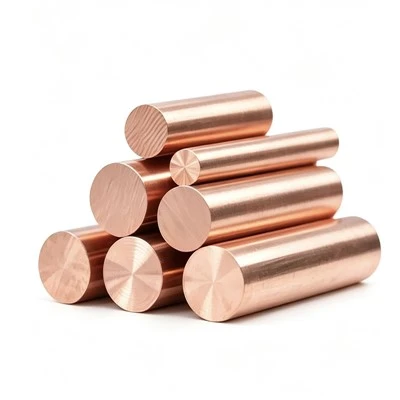
First off, we don’t cut corners on the raw material. A lot of new suppliers will grab scrap copper from anywhere, maybe skip a step or two in the refining, but that’s where bad quality starts. We source 99.99% pure cathode copper, no exceptions. Wait, for context, 99.99% pure means there’s less than 10 parts per million of impurities, right? If you have even a tiny bit of lead or iron in there, that wire will crack when you draw it thin, or it’ll corrode faster when it’s used in outdoor wiring. We test every batch of cathode that shows up at our dock—small samples cut from each slab, melted down, run through a spectrometer. That machine spits out a readout of every element present, and if there’s even 1 more ppm of something we don’t want, that batch gets sent right back. No excuses. Last year we turned away a whole shipment because the spec said 99.99% but the test came back at 99.97%—someone had cut corners at the smelter, and we weren’t about to let that mess up our wire rod.
Once the copper passes that first test, we move on to the melting and casting stage. This is where we turn those solid cathode slabs into the long, thick rods you see on spools later. But melting copper isn’t just heating it up until it’s liquid. The temperature has to be exact—too hot, and the metal gets brittle; too cold, and it doesn’t flow evenly through the molds. We use digital furnaces that hold temp within 5 degrees Celsius, which is way tighter than the old manual ones. Also, when it’s liquid, we add tiny amounts of phosphorus and oxygen (super controlled amounts, like 0.02% max total) to get rid of any leftover gases that would form bubbles in the solid metal. Bubbles are bad because they create weak spots in the rod, and when you draw it down to thin wire later, those bubbles turn into breaks. Every hour, we pull a small sample of the molten metal, quench it in water to cool it fast, and slice it open to check for bubbles or uneven grain structure. If we see even one tiny bubble bigger than a pinhead, we dump that batch before it goes to the casting line. No sense in wasting the next steps on bad metal.
Casting is next. We use continuous casting, not the old batch casting method. Continuous casting means the molten metal is poured into a long, moving mold that cools it as it goes, so we get a single, seamless rod that’s 200 meters long (or whatever length we need) instead of 10 shorter, uneven pieces. But the speed of the mold is key here. If it moves too fast, the outside cools too quick and the inside is still soft, leading to cracks. Too slow, and we get uneven thickness in the rod. We calibrate the casting speed every 15 minutes with a laser sensor that measures the diameter of the rod as it comes out. We aim for 8mm diameter for our standard rod (though we do 10mm for heavy-duty applications) and the tolerance has to be ±0.02mm. That’s thinner than a human hair, for reference. If the laser reads even 0.03mm off, the line automatically slows down or speeds up until it’s back on track. No human error here—let the machines do the boring, precise stuff.
Once the rod is cast and cooled, we move to the rolling process, where we reduce the diameter from the cast size (like 200mm, wait no, wait—wait after casting, it’s around 15mm, right? Rolling reduces it to our finished 8mm. Yeah, that makes sense. Rolling is when we pass the rod through a series of rotating rollers that squeeze it down evenly. Again, consistency is everything. We check the diameter every 10 meters as it’s rolling, same laser sensor, and also test the tensile strength of the rod. Tensile strength is how much force it takes to pull the rod apart. For our standard rod, we need it to withstand at least 250 MPa (megapascals) of force. If it’s too weak, it’ll break when it’s being coiled or shipped; too strong, it’s too brittle and won’t bend properly when the manufacturer draws it into wire. We pull a 1-meter sample every hour, clamp it to a tensile tester, and yank it until it breaks. If it breaks at less than 250 MPa, that batch gets rejected, no matter how good the diameter looks. Last month we had a roll of rollers that was worn down, so it wasn’t squeezing the rod evenly—tensile strength was coming out at 220 MPa. We caught that in the test before it made it to the coiling stage, saved us from wasting 2 tons of rod.
Now, here’s the part a lot of people don’t talk about: surface quality. Copper wire rod that’s going to be drawn into thin wire has to be completely free of scratches, dents, or even tiny bits of oxidation on the surface. If there’s a scratch, that scratch will get worse as you draw the rod thinner, until it breaks the wire. We use an automated surface inspection system that has cameras running along the entire rolling line, checking every inch of the rod at 1000 frames per second. Any imperfection bigger than 0.1mm gets marked with a small ink dot, and after the rod is coiled, our team cuts out the marked section. We also clean the rod before coiling—we use a mild alkaline solution (nothing harsh that would damage the copper) and brush it with nylon brushes to get rid of any leftover oxidation or metal shavings from the rolling process. We’ve had customers send back wire because of tiny surface scratches that their drawing lines missed, so we don’t mess around with this step.
Once the rod is coiled, we do a final lot test before it leaves our warehouse. We pull 5 random coils from every production lot (each lot is 10 tons, so that’s a good sample size) and run a full panel of tests. First, we recheck the diameter and surface condition, like we did during production. Then we do a conductivity test—this is super important for electrical applications. Copper’s conductivity is measured in IACS (International Annealed Copper Standard), and our rod has to hit at least 101% IACS, which is basically the maximum possible for copper. Lower conductivity means the wire will lose more energy when electricity runs through it, which is a huge problem for power grids or EV charging cables. We use a eddy current tester that measures conductivity without even touching the rod—super fast, super accurate. We also test for corrosion resistance by leaving a small sample in a salt spray chamber for 48 hours. If it shows any sign of tarnish or pitting, that lot gets held until we figure out what went wrong.
Wait, and something I pride myself on: we don’t just test the final product. We keep records of every single test, every batch, every coil. If a customer calls us a year later and says they had an issue with rod from a 2022 production run, I can pull up their order number, find the exact lot, check the spectrometer readings, tensile tests, surface inspections—all of it. That’s how we build trust. A lot of suppliers will throw away test records after a month, but we keep ours for 10 years. You never know when someone will need to go back and troubleshoot a problem, and we want to be able to say “here’s every step we took to make that rod for you.”
I know a lot of people think quality control is just expensive, but here’s the thing: if we skip one test, we could send a batch of bad rod that costs our customer thousands of dollars in wasted material and downtime. The small cost of testing is nothing compared to that. Last quarter, we had a customer who was about to go with a cheaper supplier because their quote was 10% lower. They ended up asking for a sample of our rod to test. We sent them a free sample, they ran all our standard tests, and they called us back a week later saying our rod was the only one that passed all their criteria. They’ve been ordering from us ever since, and that’s the kind of relationship we want—customers who know they can rely on us, no matter what.
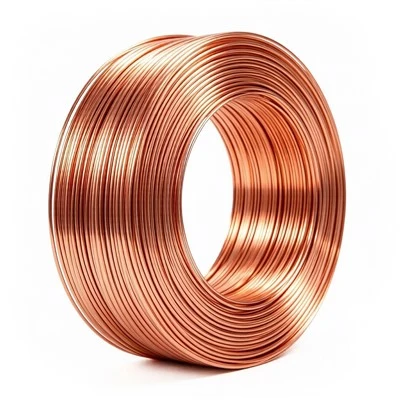
If you’re looking for a consistent, high-quality copper wire rod supplier, give us a shout. We work with small custom wire shops and big international manufacturing companies, so whatever your needs are—standard 8mm rod, heavy-duty 10mm, or even special sizes for niche applications—we can customize it. We’re transparent about every step, so if you have questions about our process, our test results, or want to see a sample, just reach out. We don’t do hidden fees, we don’t cut corners on quality, and we care as much about your product’s success as you do.
Profiled Copper Busbars References:
- Copper Development Association. (2021). Copper Wire Rod Specifications and Manufacturing Quality Control.
- International Electrotechnical Commission. (2018). IEC 60018: Solid Conductors for Cables.
- U.S. Geological Survey. (2020). Copper Refining and Purity Standards.
Zhejiang Jintai Copper Industry Co., Ltd.
We are one of the most professional copper wire rod manufacturers and suppliers in China, also support customized service. With abundant experience, we warmly welcome you to wholesale bulk high quality copper wire rod made in China here from our factory. For quotation, contact us now.
Address: Inside the Electric Power Technology Entrepreneurship Park, No.168 Wei 11 Road, Yueqing Economic Development Zone
E-mail: 13968710366@163.com
WebSite: https://www.jintaicopper.com/
