If you’re running a small to mid-sized pottery studio, a craft woodworking shop, or even a small-scale metal casting operation, a Ready To Assemble (RTA) kiln is one of the most flexible, cost-effective investments you can make. Unlike custom-built kilns that require professional installation and routine, one-size-fits-all maintenance schedules, RTA kilns are designed to be accessible for owners to assemble, operate, and service on their own. But here’s the question that I hear almost every week from new and long-time customers alike: How often should I actually maintain my RTA kiln? Ready To Assemble Kiln
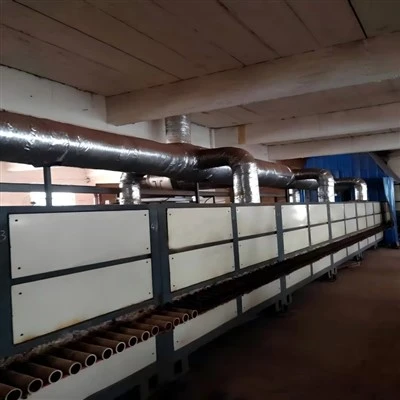
I’ve been in the RTA kiln supply business for over 12 years, and I can tell you there’s no one-size-fits-all answer. That’s partly because every customer’s use case is different—you might fire your kiln twice a month for test pottery, or six times a week for custom ceramic mugs you sell at local markets. It also depends on how you use your kiln, what materials you fire, and even the environment your kiln is kept in. Over the years, I’ve worked with hundreds of clients to create tailored maintenance routines that keep their RTA kilns running efficiently, safely, and for years beyond their expected lifespan. In this post, I’ll break down the science of RTA kiln maintenance, how often tasks should happen based on use, and the small, easy steps that prevent big, expensive problems down the line.
First, let’s start with the basics: what makes an RTA kiln different from a traditional built kiln, and how that impacts maintenance? RTA kilns come in flat, pre-cut panels that you assemble on-site, rather than being custom-built in a workshop and installed. Most use high-density fiberboard (HDF) insulation for the walls, a heating element assembly that’s easy to remove, and simple electrical or gas connections. That modular design is a huge benefit for maintenance—you don’t need to pay a professional to pull a wall panel to replace a heating element or clear a vent—but it does mean you have to pay attention to small, modular parts that can wear out faster than those in a built kiln. For example, the electrical connectors that link your heating elements can loosen over time if not checked, a problem that’s easier to spot on an RTA kiln because you can access the connection points without tearing into a permanent structure.
Now, let’s get to the core question: how often should you schedule maintenance? I like to split maintenance into three categories: daily pre-fire checks, monthly deep cleans, seasonal preventive maintenance, and annual full inspections. Each of these tasks serves a specific purpose, and the frequency depends on how often you fire your kiln.
Daily pre-fire checks are non-negotiable, no matter how often you use your kiln. These take five minutes or less and can prevent 90% of common kiln issues, from uneven heating to fire hazards. Let’s break down what you need to do each time before you fire: First, check the kiln door seal. The seal is a strip of high-temperature silicone or ceramic fiber that lines the door, and it’s what keeps heat from escaping during a fire. If there are cracks, gaps, or bits of ceramic or metal stuck to the seal, heat will leak out, wasting energy and making your firing uneven. For RTA kilns, the door seal is easy to inspect because you don’t have to maneuver a heavy, fixed door—you can simply lift the door and run your hand along the seal. Second, check the vent. Every RTA kiln has at least one vent, usually on the top or side, that controls moisture release during low-temperature firings (like bisque firing). If the vent is clogged with ceramic dust, it can trap moisture inside, leading to cracked pieces or even damage to the heating elements. Third, glance at the control panel. For electric RTA kilns, this means checking that the power cord isn’t frayed and that all buttons are working. For gas RTA kilns, this means checking that the gas line connections are tight and that there are no leaks (you can test this by spraying a mix of soapy water on the connections; bubbles mean a leak). I tell even my busiest customers that these five-minute checks are worth it—last year, a client of mine who fires pottery twice a week caught a small fray in her power cord during a pre-fire check, and avoided a potential electrical fire that would have required a new control panel costing nearly $800.
Moving to monthly maintenance: this is a bit more involved, but still something most RTA kiln owners can do in 30 minutes or less. The frequency of monthly tasks depends on how often you fire. If you fire your kiln 1-2 times a month (casual hobby use), do these tasks once a month. If you fire 3-6 times a week (semi-professional or small business use), do these every two weeks. The first monthly task is a deep clean of the firing chamber. Ceramic dust, small shards, and even bits of wood or metal (if you fire wood or metal pieces) build up in the bottom of the kiln, on the heating elements, and along the walls. For electric RTA kilns, you can vacuum the chamber with a vacuum designed for high-temperature materials—never use a regular household vacuum, as the fine ceramic dust can damage the motor. Use a soft brush to gently wipe away dust from the heating elements, being careful not to bend the elements, which can cause uneven heating or breakage. For gas RTA kilns, you’ll also want to remove the burner ports and gently brush away soot and debris, as clogged ports can cause incomplete combustion and waste fuel. The second monthly task is checking the heating elements. For electric RTA kilns, heating elements are designed to last 2-5 years, but they can wear out faster if they’re covered in dust or if the kiln fires too hot. Look for any broken coils, discolored spots, or sagging elements. If you notice any sagging elements, gently adjust them so they’re not touching the kiln walls, which can cause short circuits. The third monthly task is testing the safety features. Most RTA kilns come with a overheat shutoff switch, which is a critical safety feature. Turn the kiln on to a low temperature and make sure the shutoff activates if the temperature goes above the set limit. For gas models, check the flame safety shutoff, which should turn off the gas if the flame goes out unexpectedly.
Next, seasonal preventive maintenance. This is less frequent, but especially important for RTA kiln owners who use their kilns heavily or live in extreme climates (very hot, very cold, or very humid). Seasonal maintenance should happen every 3-6 months, depending on use. First, for kilns kept in cold environments, check the insulation panels. RTA kilns are made to be assembled in a garage, studio, or workshop, but if the temperature in your space drops below freezing, the insulation can become brittle over time. Run your hand along the edges of the kiln panels to check for gaps or cracks; if you find any, you can seal them with high-temperature ceramic caulk, which is an easy replacement for RTA kilns. Second, for kilns kept in humid environments, check the electrical connections. High humidity can cause rust and corrosion on metal connections, which can lead to poor conductivity and heating issues. Wipe down all electrical connectors with a dry cloth, and if you notice any rust, use a small wire brush to gently remove it, then spray with a dielectric grease to prevent future corrosion. Third, for all kilns, check the exhaust system. If your RTA kiln is vented to the outside of your studio, make sure the exhaust pipe is free of debris and that the damper is working properly. Clogged exhaust can lead to backflow of toxic fumes, which is a safety hazard for anyone in the space.
Finally, annual full inspections. This is the most important maintenance task, and it should be done once a year, no matter how often you use your kiln. Even if your kiln is rarely used, parts can degrade over time due to heat and moisture exposure. For annual inspections, I recommend either doing it yourself with the help of your RTA kiln’s user manual, or scheduling a professional inspection if you’re not comfortable working with electrical or gas components. The inspection should include: replacing the door seal if it’s cracked or worn, testing all safety features, checking for loose or damaged insulation panels, and testing the heating elements for wear. Last year, a customer who only used her RTA kiln for holiday pottery projects once a year skipped her annual inspection, and during her first firing of the year, a frayed heating element caused a small fire inside the kiln. The damage wasn’t severe, but she had to replace two heating elements and her control panel, costing her over $1,000. A $20 door seal replacement and a 30-minute check before her first firing would have prevented that entirely.
Now, let’s talk about common mistakes that RTA kiln owners make when it comes to maintenance. The biggest one is waiting until something breaks to do maintenance. I’ve had customers come to me with a kiln that’s 5 years old, never cleaned, and has a broken heating element—this is a lot more expensive to fix than a small, regular maintenance task. Another mistake is using the wrong cleaning products or tools. Never use water to clean the heating elements, as water can cause them to break or rust. Never use a regular vacuum for ceramic dust, as the fine particles can get into the motor and destroy it. The third mistake is not adjusting maintenance for use. A customer who fires 5 times a week will have a lot more dust and wear on their kiln than someone who fires once a month, so their maintenance schedule needs to be more frequent.
At the end of the day, the goal of maintaining your RTA kiln is not just to keep it working—it’s to make sure every firing is consistent, safe, and cost-effective. A well-maintained RTA kiln can last 10-15 years, compared to 5-7 years for a poorly maintained one, so the small time and money you spend on maintenance pays off big in the long run. If you’re in the market for an RTA kiln, or if you’re looking to upgrade your current model, our team can help you choose the right size for your use case, and we even offer maintenance packages for customers who want to make routine checks easy. We also provide free user manuals and video tutorials for every RTA kiln we supply, so you can do most maintenance tasks on your own. If you have questions about your current kiln’s maintenance schedule, or if you’re ready to purchase a new RTA kiln, don’t hesitate to reach out to our team to discuss your needs.
Mobile Energy Saving Rotary Kiln References
- American Ceramic Society. (2018). Maintenance and Safety Protocols for Ceramic Kilns. John Wiley & Sons.
- Industrial Kiln & Furnace Association. (2020). Ready-To-Assemble Kiln Longevity Best Practices. Industrial Press Inc.
- Occupational Safety and Health Administration (OSHA). (2019). Kiln Safety Guidelines for Small Business Operators. U.S. Department of Labor.
- Pottery Making Illustrated. (2021). The Beginner’s Guide to Kiln Maintenance. Penguin Random House.
- Woodworking Network. (2022). RTA Kiln Care for Small-Scale Metal and Wood Firing. Cengage Learning.
Henan Yaxin Kiln Co., Ltd.
Henan Yaxin Kiln Co., Ltd. is one of the most professional ready to assemble kiln manufacturers and suppliers in China. With abundant experience, we warmly welcome you to buy high quality ready to assemble kiln with the latest design from our factory. Good service and punctual delivery are available.
Address: Jixian Industrial Zone, Shangqiu City, Henan Province
E-mail: 1543563178@qq.com
WebSite: https://www.hnyxkiln.com/
