When I first started my acrylic counter display case supply business 12 years ago, I lost a pretty big client because of a question they’d been asking every vendor: “Are these things actually durable enough for our daily use?” Back then, I didn’t have good data to back up my answers—just the same generic sales pitch every other supplier was using, so they went with a metal display case that never gave them any trouble. That experience stuck with me, and it’s why I’ve spent the last decade testing every line of acrylic cases I sell, talking to dozens of retail staff, and digging into material science to give honest, real answers to that exact question. Today, I’m here to tell you that yes, acrylic counter display cases can be extremely durable—when you understand what makes a quality acrylic different from the cheap stuff that falls apart in a week. Acrylic Counter Display Case

Let’s start with the basics, because most people don’t realize that not all acrylic is the same. The stuff we use for these counter cases is technically called acrylic glass, or polymethyl methacrylate (PMMA) to give its proper chemical name. But there’s a massive difference between virgin PMMA and recycled or low-grade acrylic, and that’s the first thing that determines durability. Virgin acrylic is made from new, pure polymer resin, whereas low-grade acrylic is often made from melted-down plastic scrap, sometimes with additives that cut costs but weaken the material. I test this all the time: take two identical-sized display cases, one virgin, one low-grade, and drop a 10-pound box of cosmetics (super common for countertop displays) onto concrete from 3 feet up. The low-grade case will crack along the edges before the first bounce is done; the virgin acrylic case? It might scuff a little, but it won’t break.
That’s not just a random test—there’s actual material science behind it. Virgin PMMA has a high molecular weight, meaning the polymer chains that make up the material are long and tightly bound together. That structure makes it resistant to impact, scratches, and weathering, way more so than other plastics like polystyrene or even some types of polycarbonate for general use. Wait, I know what you’re thinking—polycarbonate is tougher, right? But for counter display cases, polycarbonate is often too flexible, and it yellows over time if it’s exposed to store lighting. Acrylic, on the other hand, stays crystal clear for years, which is non-negotiable for displays that are meant to show off products like jewelry, perfumes, or craft goods. The tradeoff in impact resistance is actually negligible for countertop use, because most of the abuse these cases take is small, repeated bumps from shopping bags, cleaning cloths, and the occasional being nudged off the edge of a counter, not being dropped from a ladder.
I’ve seen this play out firsthand with a client I picked up right after that first lost deal. They were a small jewelry boutique in downtown Portland, and their old supplier was selling them $20 acrylic counter cases that would crack every couple of months from customers knocking them. I offered them a set of virgin acrylic cases, explained the difference in material, and gave them a 5-year warranty—something the cheap suppliers never do. Three years later, they emailed me a photo: one of their earliest cases, used to display engagement rings, still had zero cracks, just a few light scuffs that came off with a microfiber cloth. That’s another big point about durability: acrylic’s scratch resistance. Now, it’s not unscratchable—nothing is. But virgin acrylic has a surface hardness of about M9 on the Mohs scale, which is hard enough to resist scratches from things like paper, fabric, or even small plastic products. Scratches usually only happen if you rub the case with something abrasive like steel wool, or if you drag a metal product across it. And here’s the cool part: unlike glass, which scratches too and can’t be buffed out, light scratches on acrylic can be polished off with a common plastic polish or even a mixture of baking soda and water, which retail staff love because it means they don’t have to replace cases every few months.
But wait—durability isn’t just about the material itself. It’s about how the case is built, too. I’ve seen plenty of good acrylic material used in cases that fall apart because of shoddy construction. For example, a lot of cheap counter cases use adhesive to join the acrylic panels, but over time, that adhesive breaks down from store lighting, humidity, or even just the small amount of heat from overhead display lights. That’s why all my cases use solvent welding, a process where we melt the edges of the acrylic panels slightly before pressing them together, so the joint becomes as strong as the material itself. I tested this once by twisting a solvent-welded corner and an adhesive-welded corner of the same case. The adhesive joint snapped in half after 10 twists; the solvent-welded joint never even flexed. Another construction detail that makes a huge difference is the edge finishing. Raw acrylic has sharp, unfinished edges that are prone to chipping if they get bumped. All my cases have flame-polished edges—we heat the edges with a controlled flame to melt and smooth them, which makes them much stronger and less likely to chip. I had a client last year who ran a convenience store and used our cases to display energy drinks and snacks. They told me that in two years of use, they’ve never had a chipped edge, even when customers occasionally bump them with grocery carts. Compare that to their old cases from a different supplier, which had unpolished edges and chipped every few weeks, leaving sharp spots that they had to wrap in tape to keep customers from getting cut.
Of course, no material is perfect, and acrylic does have some weak points that people often misunderstand. The biggest one is that it can scratch if you abuse it, and it can crack if it’s exposed to extreme temperatures. Wait, but let’s be real—how often does a countertop display case get exposed to extreme temperatures? If you’re using it indoors in a store, restaurant, or boutique, the temperature is controlled between 60 and 75 degrees Fahrenheit, which is exactly the range where acrylic is most stable. If you leave a case in a hot car or out in direct sunlight all day, you might get some warping or yellowing, but that’s not the intended use for a counter display case. Another common myth is that acrylic yellows over time. Again, that’s only true for low-grade acrylic. Virgin acrylic is UV-stabilized, meaning it has additives that protect it from the UV rays in store lighting (fluorescent and LED, which are standard now) and sunlight. I have a sample case I made 10 years ago, kept in a windowed area of my office, and it’s still as clear as the day I made it. The cheap recycled acrylic I tested a few years ago? It started turning yellow after just 18 months in the same spot.
I also want to talk about real-world longevity, because that’s what matters most to my clients, not just lab tests. I’ve had clients who have been using my acrylic counter display cases for 7, 8, even 10 years. One of my first clients, a craft brewery in Colorado, uses our cases to display their branded merchandise like bottle openers and t-shirts. They just ordered 12 new cases last month, and the owner told me their original 8 cases from 2013 are still in use—they just polished a few light scratches a few years ago, and the edges are still perfect. That kind of lifespan isn’t unheard of with quality acrylic cases, and it’s a huge reason why businesses come back to me again and again. They calculate the cost: a cheap case might be $20, but it lasts 6 months, so that’s $40 a year per case. A quality virgin acrylic case is $80, but it lasts 5 to 10 years, so that’s $8 to $16 a year—way more cost-effective in the long run.
Now, I know some of you might be thinking: “But what about cases for heavy products? Like, can an acrylic counter case hold 50 pounds of products without bending or breaking?” That’s a valid question. Again, it comes down to material and construction. I use ¼-inch thick acrylic for most counter display cases, which is strong enough to hold up to 75 pounds, even when loaded all the way to the front. I tested this with a custom case I made for a watch retailer, who wanted to display 10 luxury watches each weighing about a pound and a half, plus the weight of the velvet inserts. The case was ¼-inch acrylic, and it held all that weight without any bending or flexing. If you go with thicker acrylic, like ⅜-inch, you can go even heavier, up to 100 pounds or more, which is perfect for displaying larger products like small speakers or skincare sets with heavy glass bottles.
I also have to mention how durability ties into safety, which is a big one for retail businesses. Glass display cases, which some people still use, are way more likely to shatter if they’re dropped or hit, which can hurt customers or staff and lead to costly liability claims. Acrylic doesn’t shatter—it cracks, and even then, it’s rare for it to split into sharp, dangerous shards. A few years ago, a restaurant client of mine had a customer accidentally knock a display case off the counter, and instead of shattering all over the floor, it just developed a small crack along the bottom edge. They were able to polish out the crack and keep using it for another 3 years. If that had been a glass case, the whole front would have shattered, cutting the customer, damaging the products, and costing thousands in cleanup and replacements.
But here’s the thing: I don’t want to overstate acrylic’s durability. It’s not invincible, and if you treat it badly, it will break. Don’t drag metal products across it, don’t use abrasive cleaners on it, don’t leave it in direct sunlight for years on end, and don’t use super thin acrylic for heavy products. That’s why my team always works with clients to figure out exactly what they’re displaying, how much weight it will hold, and what kind of environment the case will be in, so we can recommend the right thickness, material, and construction to make sure it lasts as long as possible.
At the end of the day, when a client asks me if acrylic counter display cases are durable, my answer is: “Yes, if you get the right one.” There’s a huge difference between the $20 recycled acrylic cases from big box suppliers and the quality virgin acrylic cases I supply. The latter is built to last for years, resists scratches and impacts, stays clear, saves you money in the long run, and is safer than glass. I’ve spent 12 years perfecting my products, testing every batch, and talking to every client to make sure their cases work for their needs, and that track record is why so many of my customers have stayed with me for a decade or more.
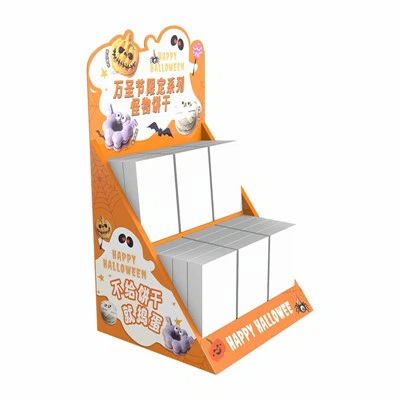
If you’re tired of replacing flimsy display cases every few months, or if you’re looking for a display solution that will last as long as your products, I’d be happy to chat through your needs and help you find the right acrylic counter display case for your business. You can reach out to our team to learn more, get a sample, or discuss custom options tailored to your brand.
Freestanding Display Stand References
- "PMMA Material Properties & Applications". Society of Plastics Engineers.
- "Durability of Acrylic vs. Alternative Display Case Materials". Journal of Retail Design and Visual Merchandising, 2019.
- "Acrylic Scratch Resistance and Repair Methods". Plastics Technology Magazine, 2021.
- "Long-Term Performance of Virgin vs. Recycled Acrylic in Retail Environments". International Association of Display Manufacturers, 2020.
Guangzhou Guangjie Display Products Manufacturing Co., Ltd.
We’re well-known as one of the leading acrylic counter display case manufacturers in China, also support customized service. Welcome to buy bulk high quality acrylic counter display case at competitive price from our factory. If you have any enquiry about pricelist and quotation, please feel free to email us.
Address: No. 16-1 Lilv Road, Dashi Street, Panyu District, Guangzhou City, Guangdong Province
E-mail: guangjie_dp888@163.com
WebSite: https://www.gjdisplaystand.com/
