As a seasoned supplier of fluororesin tubes, I’ve witnessed firsthand the remarkable performance of these products in various challenging environments, especially in the presence of fuel and oil. In this blog, I’ll delve into the science behind their exceptional resistance, share real – world applications, and highlight why they are the go – to choice for industries dealing with fuel and oil. Fluororesin Tube
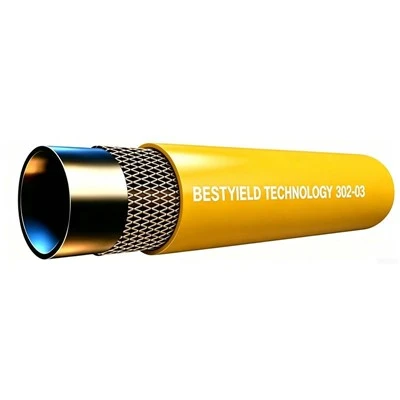
Understanding Fluororesin Tubes
Fluororesin tubes are primarily made from polymers such as PTFE (Polytetrafluoroethylene), FEP (Fluorinated Ethylene Propylene), and PFA (Perfluoroalkoxy). These polymers contain fluorine atoms, which play a crucial role in their chemical stability. Fluorine has a high electronegativity, forming strong carbon – fluorine bonds. This gives fluororesins a unique combination of properties, including high temperature resistance, low friction coefficients, and most importantly, excellent chemical resistance.
Chemical Resistance to Fuel and Oil
Fuels and oils come in a wide range of chemical compositions. Gasoline, for instance, is a complex mixture of hydrocarbons, including alkanes, cycloalkanes, and aromatic compounds. Diesel fuel has a different set of hydrocarbon structures with a higher boiling point range. Oils, such as engine oil, transmission oil, and hydraulic oil, are formulated with base oils and various additives to meet specific performance criteria.
Fluororesin tubes have an outstanding ability to resist these diverse chemical substances. The strong carbon – fluorine bonds in fluororesins are not easily broken by the chemical reactions initiated by fuels and oils. This means that when in contact with fuel or oil, fluororesin tubes do not swell, dissolve, or degrade over time.
For example, PTFE is virtually inert to all known fuels and oils at normal operating temperatures. In long – term exposure tests, PTFE tubes showed no significant change in their mechanical properties such as tensile strength and elongation when submerged in gasoline, diesel, or engine oil. FEP and PFA, which are also commonly used in fluororesin tubes, have similar chemical resistance profiles. They can withstand the corrosive effects of fuels and oils and maintain their integrity, even in aggressive chemical environments.
Performance in High – Temperature Environments
In many applications involving fuel and oil, high temperatures are a common challenge. Engines, for example, generate a significant amount of heat, and the fuel and oil systems need to operate under these conditions. Fluororesin tubes excel in high – temperature scenarios.
PTFE has a continuous use temperature of up to 260°C (500°F). This allows it to remain stable and functional in the hot and demanding environment of an engine’s fuel and oil lines. FEP can withstand continuous use temperatures up to 200°C (392°F), and PFA can operate at continuous temperatures similar to PTFE, around 260°C (500°F).
At high temperatures, many common materials would start to soften, deform, or even catch fire in the presence of fuel or oil. However, fluororesin tubes maintain their shape, mechanical properties, and chemical resistance. This is crucial for ensuring the safe and reliable operation of fuel and oil systems, as any failure in the tubing can lead to leaks, performance issues, and potentially dangerous situations.
Low Friction and Non – Stick Properties
Fluoresin tubes have extremely low friction coefficients due to the smooth surface of the fluoropolymer materials. In fuel delivery systems, this low – friction property helps in the efficient flow of fuel. The reduced frictional resistance allows for better fuel atomization and more consistent fuel delivery, which ultimately improves engine performance.
Similarly, in oil circulation systems, the low – friction inner surface of fluororesin tubes minimizes the pressure drop, ensuring that the oil can flow smoothly throughout the system. This is especially important in high – performance engines where precise oil flow is needed to lubricate critical components effectively.
The non – stick property of fluororesin tubes is also an advantage. In fuel and oil applications, it prevents the build – up of deposits such as wax, sludge, and varnish on the inner walls of the tubes. This reduces the risk of blockages and ensures the long – term reliability of the fuel and oil systems.
Real – World Applications
Automotive Industry
In the automotive industry, fluororesin tubes are widely used in fuel injection systems, fuel lines, and oil coolers. The chemical resistance of fluororesin tubes ensures that they can handle the different types of fuels, including ethanol – blended fuels, which are becoming more common. The high – temperature performance allows them to operate in the hot engine compartments without degradation.
For example, in high – performance sports cars, fluororesin fuel lines are often preferred because they can withstand the high – pressure and high – temperature conditions of the fuel injection system. They also contribute to the overall performance and reliability of the vehicle by providing a consistent and efficient fuel supply.
Aviation Industry
In aviation, the safety and reliability of fuel and oil systems are of utmost importance. Fluororesin tubes are used in aircraft fuel lines, oil lines, and hydraulic systems. The ability of fluororesin tubes to resist the aggressive chemicals in aviation fuels and oils, as well as their performance at extreme temperatures (both high and low), makes them an ideal choice for this industry.
In addition, the low weight of fluororesin tubes compared to some traditional materials helps in reducing the overall weight of the aircraft, which in turn improves fuel efficiency.
Marine Industry
In the marine environment, fuel and oil systems are exposed to harsh conditions, including saltwater, high humidity, and fluctuating temperatures. Fluororesin tubes are resistant to corrosion from saltwater and can withstand the chemical effects of marine fuels and oils. They are used in fuel delivery systems, engine lubrication systems, and hydraulic steering systems on boats and ships.
Why Choose Our Fluororesin Tubes
As a supplier of fluororesin tubes, we take pride in offering high – quality products that meet the strictest industry standards. Our tubes are manufactured using advanced production techniques to ensure consistent quality and performance. We have a team of experienced engineers and technicians who can provide technical support and customized solutions to meet the specific needs of our customers.

We understand the importance of reliability and safety in fuel and oil applications. That’s why we conduct rigorous quality control tests on all our products. Our fluororesin tubes are tested for chemical resistance, high – temperature performance, mechanical strength, and other key properties. This ensures that our customers receive tubes that can perform flawlessly in their fuel and oil systems.
Contact Us for Procurement
Refrigerant Hose If you are in need of fluororesin tubes for your fuel and oil applications, we would love to hear from you. Whether you are in the automotive, aviation, marine, or any other industry, our team is ready to work with you to find the most suitable tubes for your requirements. Contact us to discuss your project, and let’s start a beneficial business relationship.
References
- "Fluoropolymers: A Comprehensive Introduction" by John Scheirs.
- "Handbook of Thermoplastics" edited by O. Olabisi.
- Industry standards and technical documents related to fuel and oil system tubing.
BESTYIELD Technology (Huizhou) Co., Ltd.
BESTYIELD Technology (Huizhou) Co., Ltd. is one of the most professional fluororesin tube manufacturers and suppliers in China, featured by quality products and good price. Please rest assured to buy durable fluororesin tube made in China here and get quotation from our factory. Customized orders are welcome.
Address: Yinshan Industrial Zone, Liangjing Town, Huiyang District, Huizhou City, Guangdong Province
E-mail: rick@bestyield.net
WebSite: https://www.bestyield.org/
