Hey there, plant enthusiasts! I’m a supplier of Gibberellic Acid A3, and I get a ton of questions about how this little chemical can work wonders for plant growth, especially when it comes to plant height. So, I thought I’d dive deep and share all the deets with you. Gibberellic Acid A3

First off, let’s talk about what Gibberellic Acid A3 actually is. It’s a natural plant hormone, also known as a gibberellin. These hormones are super important in a plant’s life cycle. They’re involved in all sorts of processes, like germination, stem elongation, flowering, and fruit development. Gibberellic Acid A3 is like the rockstar of gibberellins when it comes to making plants grow taller.
Now, how does it work its magic on plant height? Well, plants have these special cells called meristematic cells. These cells are responsible for growth and cell division. Gibberellic Acid A3 kicks these meristematic cells into high gear. It increases the rate of cell division and extends the length of the cells in the stem. Think of it as a growth spurt for plants. When you apply Gibberellic Acid A3 to a plant, it’s like giving it a signal that says, "Hey, it’s time to grow up!"
Let’s take a look at some real – world examples. I’ve had customers who grow ornamental flowers like tulips. They noticed a significant increase in the height of their tulip stems after using Gibberellic Acid A3. Taller stems mean more visible and beautiful blooms, which is a huge plus for flower growers looking to sell their products. Another customer who grows tomato plants found that treating their seedlings with our product led to sturdier and taller plants. This is great because taller tomato plants can support more fruit, leading to a better harvest.
But it’s not all just about making the plants taller. Gibberellic Acid A3 also affects other aspects of plant development that can indirectly contribute to height. For example, it can help with the mobilization of nutrients. It makes the plant more efficient at taking up nutrients like nitrogen, phosphorus, and potassium. These nutrients are essential for healthy growth, including stem elongation. So, when the plant has more access to these nutrients, it has the resources it needs to grow taller.
Now, one of the things I always tell my customers is that timing and dosage are crucial. Applying Gibberellic Acid A3 at the wrong time or using too much can have negative effects. If you apply it too early in a plant’s life, it might cause the plant to grow too fast and become weak. On the other hand, if you use too high a concentration, it can lead to abnormal growth, like overly long and floppy stems. So, it’s really important to follow the recommended guidelines.
I’ve put together some simple tips for using Gibberellic Acid A3 to achieve the best height results:
- Understand your plant: Different plants respond differently to Gibberellic Acid A3. Some plants are more sensitive, while others need a higher dose. Do some research on the specific plant you’re growing to figure out the best approach.
- Timing is key: For most plants, applying Gibberellic Acid A3 during the early stages of growth, when the plant is actively developing, is the best time. This gives the plant a good boost right from the start.
- Follow the dosage instructions: We provide detailed dosage guidelines with our product. Don’t be tempted to use more than recommended, thinking it’ll make the plant grow even taller. It usually doesn’t work that way and can actually harm the plant.
Another aspect I want to touch on is the environmental factors. Gibberellic Acid A3 works best in conjunction with good environmental conditions. Plants need plenty of sunlight, water, and the right temperature to grow properly. If the environment isn’t ideal, even the best application of Gibberellic Acid A3 might not lead to the desired height increase. For example, if a plant is growing in a shady area with poor soil quality, it might not respond as well to the hormone treatment.
I’ve also had some customers who were worried about the safety of using Gibberellic Acid A3. The good news is that it’s a natural plant hormone, so it’s generally considered safe for use in agriculture. It’s been used for decades in the industry, and there’s a lot of research that supports its safety. However, as with any chemical, it’s important to handle it properly. Wear gloves and follow the safety instructions when mixing and applying it.
In conclusion, Gibberellic Acid A3 can have a huge impact on the height of plants. It stimulates cell division and elongation, helps with nutrient uptake, and can lead to healthier and taller plants. But remember, it’s not a magic bullet. You need to use it correctly, in combination with good growing conditions, to get the best results.
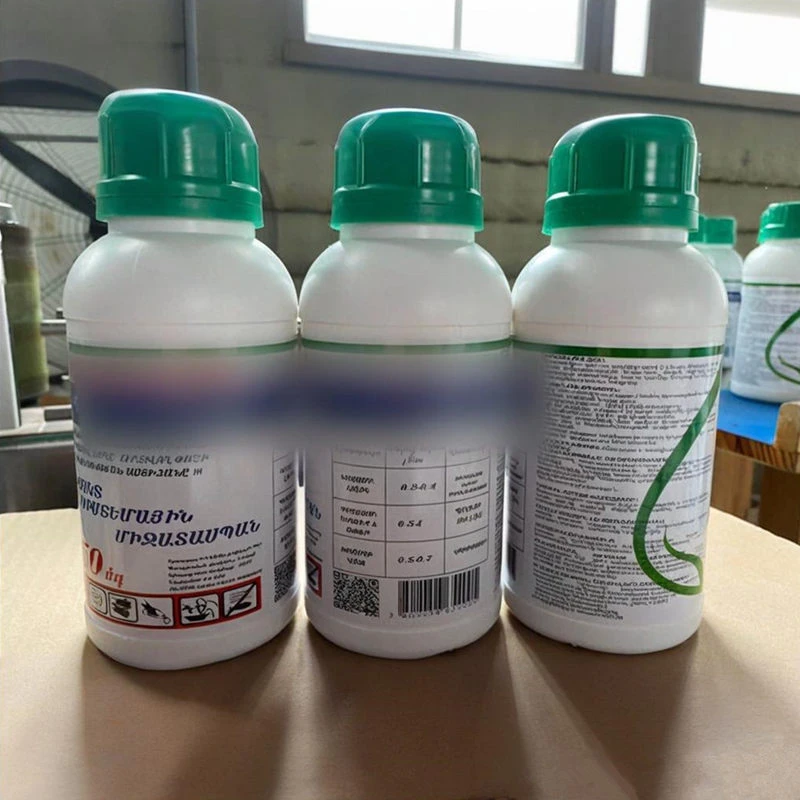
If you’re a plant grower, whether it’s for commercial purposes or just as a hobby, and you’re interested in seeing the benefits of Gibberellic Acid A3 for yourself, I’d love to talk to you. We have high – quality Gibberellic Acid A3 products that are formulated to give your plants the best chance at healthy growth. Reach out to me to start a conversation about how we can work together to make your plants reach new heights!
Bispyribac-sodium References
- Taiz, L., Zeiger, E., Møller, I. M., & Murphy, A. (2015). Plant Physiology and Development. Sinauer Associates.
- Davies, P. J. (2010). Plant Hormones: Biosynthesis, Signal Transduction, Action! Kluwer Academic Publishers.
Changzhou Dayilong Bio-Tech Co., Ltd.
With abundant experience, we are one of the most professional gibberellic acid a3 manufacturers and suppliers in China. Please rest assured to buy bulk high quality gibberellic acid a3 made in China here from our factory. Good service and reasonable price are available.
Address: Hundsun Science & Technology Park 3-1, BeiTangHe Road 8, Tianning District, Changzhou City, Jiangsu, China
E-mail: Sales@dayilongbio-tech.com
WebSite: https://www.dayilongagro-chemical.com/
