Operating multi-spindle riveting equipment efficiently requires a comprehensive understanding of its functions, safety protocols, and maintenance needs. As a seasoned supplier of riveting equipment, I’ve had the privilege of working with various industries and clients, witnessing firsthand the transformative impact of this machinery. In this blog, I’ll share some valuable insights on how to operate multi-spindle riveting equipment to ensure optimal performance and productivity. Riveting Equipment
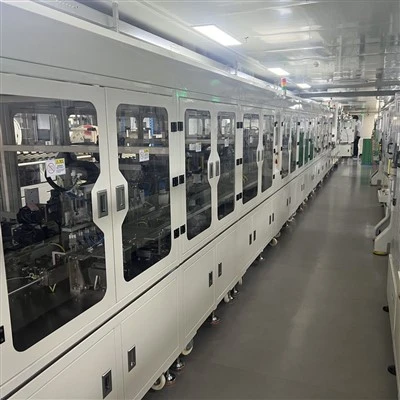
Pre – operation Preparation
Before you start running the multi – spindle riveting equipment, thorough pre – operation preparation is crucial. Firstly, conduct a visual inspection of the machine. Check for any visible signs of damage such as cracks on the frame, loose parts, or frayed cables. Ensure that all the safety guards are in place and functioning correctly. These guards are designed to protect operators from moving parts, flying debris, and other potential hazards during the riveting process.
Next, verify the power supply. Make sure the voltage and frequency of the power source match the equipment’s specifications. Connecting the machine to an incompatible power source can not only damage the machine but also pose a serious safety risk. Additionally, check the compressed air supply if your multi – spindle riveting equipment is pneumatically operated. The air pressure should be within the recommended range, and there should be no air leaks in the hoses or fittings.
Another important aspect is the selection of appropriate rivets. The size, material, and type of rivets should be compatible with both the workpieces and the riveting equipment. For example, if you are riveting thin metal sheets, using overly large or thick rivets may cause deformation of the sheets. On the other hand, if the rivets are too small, the joint strength may be insufficient.
Machine Setup
Once the pre – operation checks are completed, it’s time to set up the multi – spindle riveting equipment. The first step is to adjust the working height of the machine. This ensures that the operator can work comfortably and that the workpieces can be accurately positioned under the riveting spindles. Most modern multi – spindle riveting machines allow for easy height adjustment through a manual or automated mechanism.
Then, you need to set the riveting force. The appropriate riveting force depends on the type of rivets and the materials being joined. If the force is too low, the rivets may not be properly formed, resulting in a weak joint. Conversely, excessive force can damage the rivets or the workpieces. Many machines come with a force adjustment feature, which can usually be calibrated based on the manufacturer’s recommendations and some trial – and – error testing.
The riveting depth also needs to be accurately set. This is critical for achieving consistent and high – quality riveted joints. Adjust the depth stop on the machine to control how far the rivet is inserted and deformed. This setting can often be fine – tuned to meet the specific requirements of different projects.
Loading the Workpieces
After setting up the machine, carefully load the workpieces onto the worktable. Ensure that the workpieces are properly aligned and positioned under the riveting spindles. Some multi – spindle riveting machines are equipped with fixtures or guides to assist in the alignment process. These fixtures can hold the workpieces in place and ensure that the rivets are applied at the correct locations.
When loading the rivets, make sure they are fed into the riveting spindles correctly. Most machines have an automated rivet feeding system, but it’s still important to monitor the process to prevent jams or misfeeds. If the rivets are not fed properly, it can lead to inconsistent riveting results or even damage to the machine.
Operating the Machine
Once everything is set up and the workpieces and rivets are loaded, you can start operating the multi – spindle riveting equipment. Before starting the full – scale operation, it’s advisable to perform a test run. This helps to identify any potential issues with the machine setup, such as incorrect riveting force or depth. During the test run, closely observe the riveting process and check the quality of the riveted joints.
When operating the machine, follow the correct operating sequence. Usually, this involves activating the power switch, starting the air supply (if applicable), and then initiating the riveting process through a control panel or a foot pedal. Keep your hands and other body parts away from the moving parts of the machine during operation.
Monitor the production process continuously. Check the quality of the riveted joints regularly to ensure that they meet the required standards. Look for any signs of defects such as incomplete riveting, over – deformation, or misaligned rivets. If any issues are detected, stop the machine immediately and make the necessary adjustments.
Safety Considerations
Safety should always be the top priority when operating multi – spindle riveting equipment. Operators should wear appropriate personal protective equipment (PPE), including safety glasses to protect their eyes from flying debris, gloves to prevent hand injuries, and earplugs if the machine generates high levels of noise.
In addition to wearing PPE, operators should be trained on the proper use and emergency procedures of the machine. They should know how to stop the machine in case of an emergency, such as a power failure or a malfunction. All emergency stop buttons should be easily accessible and clearly marked.
Regularly inspect and maintain the machine to ensure its safety features are working properly. This includes checking the safety guards, emergency stop buttons, and electrical grounding. Any damaged or malfunctioning safety components should be replaced immediately.
Maintenance and Troubleshooting
Proper maintenance is essential for the long – term performance and reliability of multi – spindle riveting equipment. Establish a regular maintenance schedule that includes cleaning, lubrication, and inspection of the machine’s components. Clean the machine after each use to remove any debris, dust, or metal shavings that may accumulate during the riveting process.
Lubricate the moving parts of the machine as recommended by the manufacturer. This helps to reduce friction and wear, ensuring smooth operation. Inspect the electrical and pneumatic systems regularly for any signs of damage or leaks. Replace worn – out parts such as belts, bearings, and seals in a timely manner.
When troubleshooting, start by referring to the machine’s manual. Most common problems and their solutions are described in detail in the manual. If you encounter a problem that you cannot solve on your own, contact the manufacturer’s technical support team. They have the expertise and experience to diagnose and resolve complex issues.
Conclusion
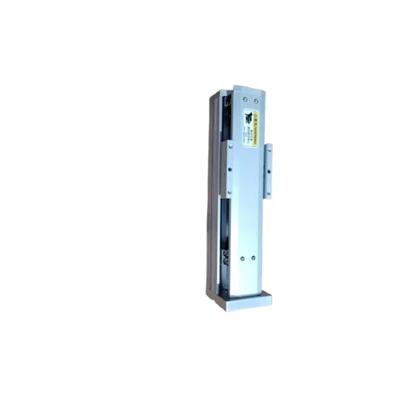
Operating multi – spindle riveting equipment requires careful preparation, proper setup, and strict adherence to safety protocols. By following the guidelines outlined in this blog, you can ensure that your multi – spindle riveting equipment operates efficiently and produces high – quality riveted joints.
Test Equipment As a leading supplier of riveting equipment, we are committed to providing our customers with not only top – of – the – line products but also comprehensive technical support and after – sales service. If you are interested in our multi – spindle riveting equipment or have any questions about its operation, maintenance, or application, please feel free to contact us. We look forward to discussing your specific needs and helping you find the most suitable riveting solutions for your business.
References
- Manufacturer’s manuals of multi – spindle riveting equipment.
- Industry standards and guidelines for riveting operations.
- Technical literature on metal joining and riveting technology.
Yangning (Xiamen) Intelligent Technology Co., Ltd.
With abundant experience, we are one of the most professional riveting equipment manufacturers in China. As we have world-leading production equipment and strong manufacturing capabilities, we warmly welcome you to buy bulk advanced riveting equipment from our factory. Customized orders are welcome.
Address: Room 307-2, No. 15 Duiying Road, Software Park Phase III, Torch Hi-Tech Zone, Xiamen, Fujian, China
E-mail: mia@ynautos.com
WebSite: https://www.ynautos.com/
