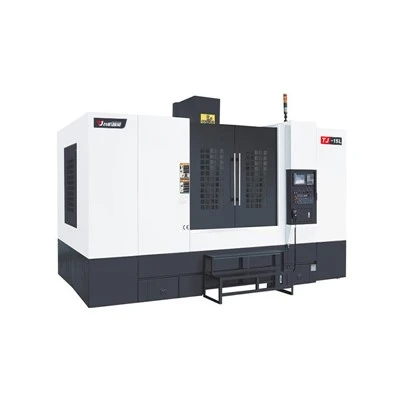
Hey there! As a supplier of double column machining centers, I often get asked about the service life of these machines. It’s a crucial question because it directly impacts your investment and long – term production plans. So, let’s dive right in and explore what affects the service life of a double column machining center. Double Column Machining Center
Factors Affecting the Service Life
1. Quality of Manufacturing
The service life of a double column machining center starts with how well it’s made. When we’re producing these machines, we pay close attention to the materials and the manufacturing process. High – quality steel and other alloys are used for the main components. For instance, the column and the base, which need to withstand heavy loads and vibrations during machining.
If low – grade materials are used, the machine is more likely to wear out quickly. The precision of the manufacturing also matters. Tight tolerances during assembly ensure that all the parts work together smoothly. A machine that’s well – made from the start is going to last longer. We always aim to use the best materials we can find and follow strict manufacturing processes to make sure our machines have a long life.
2. Operating Conditions
The environment in which the double column machining center operates has a huge impact on its service life. Temperature and humidity play important roles. Extreme temperatures can cause the metal components to expand or contract, which may lead to misalignments and premature wear. For example, if a machine is placed in a hot and humid environment without proper ventilation, parts like the spindle and ball screws can rust, reducing their efficiency and lifespan.
Dust and debris are also enemies of the machining center. They can get into the moving parts, such as the linear guides and the gears, and cause abrasion. That’s why it’s super important to keep the work area clean and install proper dust – collecting systems.
3. Maintenance and Care
This is one of the most important factors. Regular maintenance is like giving your machining center a health check – up. You need to make sure to lubricate all the moving parts on time. Proper lubrication reduces friction, which in turn reduces wear and tear. For example, the ball screws and the linear guides should be lubricated according to the manufacturer’s recommendations.
Checking and tightening the bolts and nuts periodically is also essential. During operation, the machine vibrates, and these fasteners can loosen over time. If they’re not tightened, it can lead to misalignments and damage to other parts.
Another aspect of maintenance is the calibration of the machine. Over time, the accuracy of the machining center may drift. Regular calibration helps to keep the machine working at its best and ensures that the parts it produces meet the required specifications.
Typical Service Life Expectations
On average, a well – maintained double column machining center can last anywhere from 15 to 25 years. But this can vary a lot depending on the factors we’ve just discussed. If you have a high – quality machine, operate it in a good environment, and take excellent care of it, you can expect it to be in service for the longer end of that range.
However, if the machine is used in harsh conditions and doesn’t get proper maintenance, its life could be significantly shorter. In some cases, a poorly maintained machine might only last 5 to 10 years.
Extending the Service Life
1. Operator Training
Making sure your operators are well – trained is key to extending the service life of the double column machining center. A trained operator knows how to operate the machine correctly, which reduces the risk of overloading or improper use. They also know how to spot early signs of problems, such as unusual noises or vibrations, and can report them immediately.
We often offer training programs for our customers’ operators. These programs cover everything from basic operation to advanced troubleshooting. By investing in operator training, you’re actually investing in the longevity of your machine.
2. Upgrades and Retrofits
As technology advances, you can consider upgrading or retrofitting your double column machining center. For example, you can upgrade the control system to a more advanced one. This not only improves the machine’s performance but also makes it more efficient and easier to operate.
You can also retrofit new cutting tools or spindles. These upgrades can enhance the machining capabilities of the machine and keep it competitive in the market. And in some cases, upgrading certain components can actually reduce the stress on other parts of the machine, thus extending its overall service life.
Conclusion

So, there you have it! The service life of a double column machining center depends on a variety of factors, including manufacturing quality, operating conditions, and maintenance. By understanding these factors and taking appropriate measures, you can ensure that your machine serves you well for many years.
Horizontal Machining Centers If you’re in the market for a double column machining center or want to learn more about how to extend the life of your existing machine, don’t hesitate to reach out. We’re here to help you make the right decisions for your production needs. Get in touch with us and let’s start a conversation about how we can work together to meet your machining requirements.
References
- "Machine Tool Handbook" by Kurt Ottmar
- "Modern Machining Technology" by Keith Bryant
Guangdong Taiji Intelligent Equipment Co., Ltd.
Address: Room 107, Building 15, No. 911 Jian’an Road, Chang’an Town, Dongguan City, Guangdong Province
E-mail: sale@gdtaijicnc.com
WebSite: https://www.gdtaijicnc.com/
