Hey there! I’m a supplier of wall-mounted batteries, and I often get asked about the efficiency of these nifty devices. So, I thought I’d take a few minutes to break it down for you in plain English. Wall Mounted Battery

First off, let’s talk about what we mean by "efficiency" when it comes to wall-mounted batteries. In simple terms, efficiency refers to how well a battery can store and release energy. It’s usually expressed as a percentage, and the higher the percentage, the more efficient the battery is.
One of the key factors that affects the efficiency of a wall-mounted battery is its chemistry. There are several different types of battery chemistries out there, but the most common ones used in wall-mounted batteries are lithium-ion and lead-acid.
Lithium-ion batteries are known for their high energy density, which means they can store a lot of energy in a relatively small space. They also have a high charge and discharge efficiency, typically around 90% or higher. This means that for every 100 units of energy you put into the battery, you can expect to get around 90 units back out when you need it.
On the other hand, lead-acid batteries are a bit older technology, but they’re still widely used in some applications. They have a lower energy density than lithium-ion batteries, which means they need to be bigger to store the same amount of energy. They also have a lower charge and discharge efficiency, usually around 70-80%. This means that for every 100 units of energy you put into a lead-acid battery, you might only get 70-80 units back out.
Another factor that can affect the efficiency of a wall-mounted battery is its temperature. Batteries work best within a certain temperature range, and if they get too hot or too cold, their efficiency can drop. For example, lithium-ion batteries typically perform best between 20-25 degrees Celsius. If the temperature gets too high, the battery can start to degrade more quickly, and its efficiency can decrease. Similarly, if the temperature gets too low, the battery’s chemical reactions can slow down, and it might not be able to deliver as much power.
The way you use and charge your wall-mounted battery can also have an impact on its efficiency. For instance, if you regularly overcharge or discharge the battery, it can cause damage to the battery cells and reduce its overall efficiency over time. It’s important to follow the manufacturer’s recommendations for charging and discharging the battery to ensure it lasts as long as possible and performs at its best.
Now, let’s talk about why efficiency matters when it comes to wall-mounted batteries. Well, for starters, a more efficient battery means you can get more energy out of the same amount of storage capacity. This is especially important if you’re using the battery to power your home or business. A more efficient battery can help you save money on your energy bills by reducing the amount of electricity you need to buy from the grid.
It also matters if you’re using the battery in a solar power system. Solar panels generate electricity during the day, but you might not need all of that electricity right away. A wall-mounted battery can store the excess energy generated by the solar panels during the day and then release it when you need it, like at night or during a power outage. A more efficient battery can store more of that excess energy and release it more effectively, which means you can make the most of your solar power system.
In addition to efficiency, there are a few other things you should consider when choosing a wall-mounted battery. One of these is the battery’s capacity, which is measured in kilowatt-hours (kWh). This tells you how much energy the battery can store. You’ll want to choose a battery with a capacity that’s big enough to meet your needs.
Another thing to consider is the battery’s lifespan. Batteries don’t last forever, and eventually, they’ll need to be replaced. You’ll want to choose a battery with a long lifespan to get the most value for your money.
Finally, you’ll want to consider the cost of the battery. Wall-mounted batteries can be a significant investment, so you’ll want to make sure you’re getting a good deal. It’s important to compare prices and features from different suppliers to find the best battery for your needs and budget.
As a wall-mounted battery supplier, I can tell you that we’re constantly working on improving the efficiency of our batteries. We’re using the latest technology and materials to develop batteries that are more efficient, have a longer lifespan, and are more affordable.
If you’re interested in learning more about our wall-mounted batteries or have any questions about efficiency or any other aspect of our products, I’d love to hear from you. Whether you’re a homeowner looking to reduce your energy bills, a business owner looking for a reliable backup power solution, or someone interested in solar power, we have a wall-mounted battery that’s right for you.
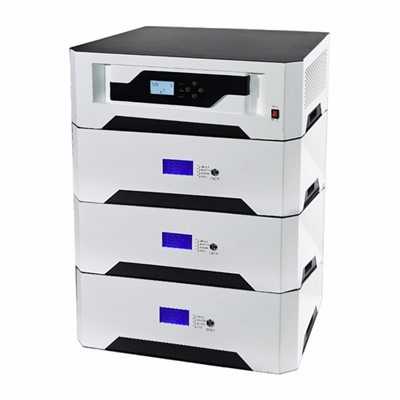
Just reach out to us to start a conversation about your needs. We can provide you with more detailed information, answer any questions you might have, and help you choose the best wall-mounted battery for your situation. Looking forward to working with you!
Lifepo4 Battery References
- "Battery Basics." Energy.gov.
- "Lithium-Ion Batteries: Chemistry and Applications." Journal of Power Sources.
- "Lead-Acid Batteries: Technology and Performance." Battery University.
Dongguan Ritano New Energy Co., Ltd.
With abundant experience, we are one of the most reliable wall mounted battery manufacturers and suppliers in China. We warmly welcome you to wholesale customized wall mounted battery made in China here from our factory. If you have any enquiry about quotation, please feel free to email us.
Address: Building 27, Jewelry Park, Huanchang North Road, Changping Town, Dongguan City, Guangdong Province
E-mail: Umi.sales@ritano.cn
WebSite: https://www.ritanopower.com/
