Hey there! I’m a supplier of Medical Wearable Solutions, and I’ve been thinking a lot lately about how our tech can revolutionize sports medicine. So, let’s dive right in and explore if medical wearable solutions can really be used in sports medicine. Medical Wearable Solutions
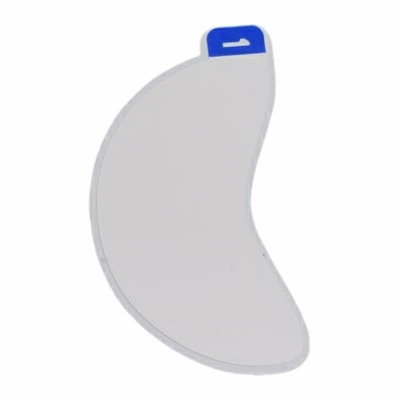
First off, what are medical wearable solutions? Well, they’re these amazing devices that you can wear on your body to collect all sorts of health – related data. We’re talking about smartwatches that can track your heart rate, fitness bands that monitor your steps and sleep, and even more advanced stuff like patches that can detect certain biomarkers in your sweat.
Now, sports medicine is all about preventing, diagnosing, and treating injuries related to sports and exercise. It also focuses on performance optimization. So, can medical wearables fit into this picture? You bet they can!
1. Injury Prevention
One of the biggest challenges in sports is preventing injuries. Athletes push their bodies to the limit, and sometimes, that leads to strains, sprains, and more serious issues. Medical wearables can play a huge role here.
For example, some of the wearables we supply can track an athlete’s movement patterns. By analyzing how they run, jump, or throw, we can spot any irregularities that might lead to an injury in the future. If an athlete’s running gait is off, it could put extra stress on their joints, increasing the risk of a knee or ankle injury. Our wearables can detect these subtle changes and send alerts to the athlete or their coach.
Another aspect is monitoring an athlete’s fatigue levels. Overtraining is a common problem in sports. Our wearables can measure things like heart rate variability, which is a good indicator of an athlete’s recovery status. If the heart rate variability is low, it might mean that the athlete is fatigued and needs some rest. By preventing overtraining, we can significantly reduce the risk of injuries.
2. Real – Time Monitoring During Sports
When an athlete is in the middle of a game or a training session, it’s crucial to have real – time information about their health. Medical wearables can provide just that.
Take a basketball player, for instance. A smart patch on their chest can continuously monitor their heart rate, breathing rate, and even the level of dehydration. If the coach sees that the player’s heart rate is getting too high or their breathing is irregular, they can make an informed decision about whether to take the player out of the game for a short break.
In a contact sport like football, wearables can also detect impacts. A helmet – based sensor can measure the force of a hit to the head. If the impact is above a certain threshold, it can alert the medical staff right away, who can then assess the player for a potential concussion. This real – time monitoring can be a game – changer in terms of player safety.
3. Customized Training Programs
Every athlete is different, and their training programs should reflect that. Medical wearables can help in creating customized training programs based on an individual’s physical condition and performance data.
Let’s say we have a runner. Our wearables can collect data on their running speed, distance, and the number of steps per minute. By analyzing this data over time, we can figure out the runner’s strengths and weaknesses. If the runner has a slow start but a strong finish, the training program can be adjusted to focus on improving their initial speed.
Moreover, the wearables can also take into account an athlete’s recovery time. If an athlete recovers quickly from a hard workout, they can be given a more intense training program. On the other hand, if they take a long time to recover, the training can be scaled back to avoid overtraining.
4. Post – Injury Rehabilitation
After an athlete gets injured, rehabilitation is a crucial phase. Medical wearables can assist in this process as well.
For example, if an athlete has a knee injury, a wearable device can be used to monitor the range of motion in their knee. The physical therapist can set specific goals for the athlete, such as increasing the knee flexion by a certain percentage each week. The wearable can track the progress and send reports to the therapist. This way, the therapist can make adjustments to the rehabilitation program as needed.
Also, wearables can help athletes stay motivated during the rehabilitation process. By showing them their progress over time, it gives them a sense of accomplishment and encourages them to keep going.
5. Challenges and Limitations
Of course, it’s not all sunshine and rainbows. There are some challenges and limitations when it comes to using medical wearables in sports medicine.
One of the biggest issues is data accuracy. While the technology has come a long way, there can still be some inaccuracies in the data collected. For example, a smartwatch might not always measure the heart rate accurately, especially if the athlete is sweating a lot or moving vigorously.
Privacy is another concern. The data collected by these wearables is very personal, and athletes might be worried about who has access to it. As a supplier, we take privacy very seriously and have strict protocols in place to protect the data.
Cost is also a factor. Some of the more advanced medical wearables can be quite expensive, which might be a barrier for some athletes or sports teams. However, as the technology becomes more widespread, we expect the prices to come down.
Contact for Purchase and Discussion
Overall, I firmly believe that medical wearable solutions have a bright future in sports medicine. They offer so many benefits in terms of injury prevention, real – time monitoring, customized training, and post – injury rehabilitation.
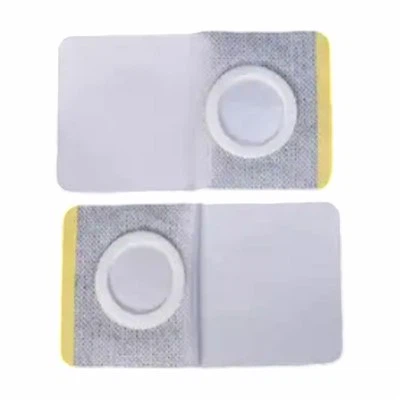
If you’re involved in sports medicine, whether you’re a coach, a team manager, or an athlete yourself, and you’re interested in exploring how our medical wearable solutions can work for you, I’d love to talk. Drop me a line, and we can have a chat about your specific needs and how we can provide the right devices and services.
CGM Let’s work together to take sports medicine to the next level!
References
- American College of Sports Medicine. (Year). Position Stand on sports medicine and emerging technologies.
- Journal of Sports Sciences. (Volume, Issue). "The use of wearables in sports performance and injury prevention."
- World Health Organization. (Year). Guidelines on the integration of health technologies in sports settings.
Shenzhen Omori Biological Technology Co., Ltd.
We’re well-known as one of the leading medical wearable devices manufacturers and suppliers in China. We warmly welcome you to wholesale high quality medical wearable devices made in China here from our factory. If you have any enquiry about customized service, please feel free to email us.
Address: Floor4, No43, Langkou Industrial park, Dalang Street, Longhua District, Shenzhen City, Guangdong Province, China
E-mail: wya@omorimed.com
WebSite: https://www.omorimed.com/
