Hey there! I’m a supplier of dithiophosphate, and today I wanna chat about the interactions between dithiophosphate and frothers. It’s a pretty interesting topic, especially in the field of mineral processing. Dithiophosphate
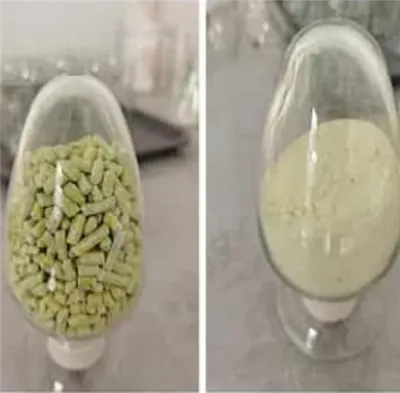
First off, let’s talk about what dithiophosphate is. Dithiophosphate is a widely – used collector in the flotation process. It has a strong affinity for certain metal sulfide minerals. It works by attaching itself to the surface of these minerals, making them hydrophobic. This hydrophobicity is crucial because it allows the minerals to attach to air bubbles in the flotation cell and rise to the surface, where they can be collected.
Now, frothers are another key component in the flotation process. Their main job is to create a stable froth layer on the surface of the flotation cell. A good froth layer helps to separate the valuable minerals from the gangue (the unwanted material). Frothers reduce the surface tension of the water, which makes it easier for air bubbles to form and remain stable.
So, how do dithiophosphate and frothers interact? Well, one of the most important interactions is in the formation of the froth – mineral aggregate. When dithiophosphate attaches to the mineral surface, it changes the surface properties of the mineral. The hydrophobic mineral particles then interact with the air bubbles stabilized by the frother. The frother helps the dithiophosphate – coated minerals to attach to the bubbles more effectively.
For example, in the flotation of copper sulfide minerals, dithiophosphate adsorbs onto the surface of the copper sulfide particles. The frother then helps these hydrophobic particles to attach to the air bubbles. The combination of dithiophosphate and frother can significantly improve the flotation efficiency.
Another aspect of their interaction is the effect on the froth stability. Dithiophosphate can sometimes affect the froth stability created by the frother. In some cases, if the concentration of dithiophosphate is too high, it can cause the froth to become too sticky. This sticky froth can be difficult to handle and may lead to poor separation of the minerals. On the other hand, if the concentration is too low, the attachment of the minerals to the bubbles may not be strong enough.
The type of frother also plays a role in the interaction. Different frothers have different chemical structures and properties. Some frothers are more compatible with dithiophosphate than others. For instance, some alcohol – based frothers work well with dithiophosphate in the flotation of certain minerals. They can enhance the hydrophobicity of the dithiophosphate – coated minerals and improve the froth quality.
In addition to the chemical interactions, the physical properties of the system also matter. The pH of the flotation pulp can have a big impact on the interaction between dithiophosphate and frothers. At different pH values, the chemical behavior of dithiophosphate and frothers can change. For example, at a certain pH, dithiophosphate may be more effective in adsorbing onto the mineral surface, and the frother may be more efficient in creating a stable froth.
Temperature is another factor. Higher temperatures can sometimes increase the reaction rate between dithiophosphate and the minerals, as well as affect the performance of the frother. However, if the temperature is too high, it may cause the frother to break down or the dithiophosphate to decompose.
When it comes to the practical application in the mining industry, understanding these interactions is crucial. Miners need to optimize the use of dithiophosphate and frothers to achieve the best flotation results. They need to consider factors like the type of ore, the concentration of dithiophosphate and frother, the pH of the pulp, and the temperature.
As a dithiophosphate supplier, I’ve seen firsthand how important it is to get the right combination of dithiophosphate and frothers. I’ve worked with many mining companies to help them select the most suitable dithiophosphate products and provide advice on how to use them in conjunction with frothers.
If you’re in the mining industry and looking for high – quality dithiophosphate, I’m here to help. Whether you’re dealing with copper, lead, zinc, or other metal sulfide ores, I can offer you the right dithiophosphate products to meet your needs. And I can also share my knowledge about the interactions between dithiophosphate and frothers to help you improve your flotation process.
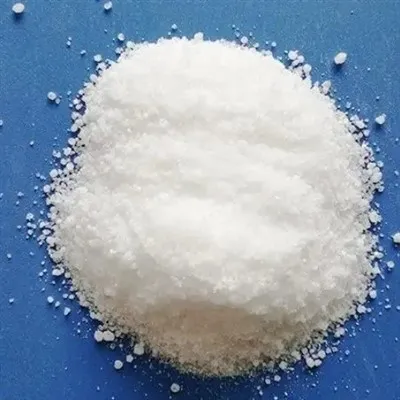
If you’re interested in learning more about our dithiophosphate products or have any questions about the interaction between dithiophosphate and frothers, feel free to reach out. I’m always happy to have a chat and discuss how we can work together to make your mining operations more efficient.
Dithiocarbamate Collectors References:
- Smith, J. (2018). Mineral Processing Handbook. Elsevier.
- Johnson, A. (2020). Flotation Chemistry. CRC Press.
Bitop Bihope Qingdao Mining Co., Ltd
Bitop Bihope Qingdao Mining Co., Ltd. is one of the most professional dthiophosphate manufacturers and suppliers in China, featured by quality products and low price. Please rest assured to buy discount dthiophosphate in stock here and get quotation from our factory. Customized orders are welcome.
Address: Room 410, 4th Floor, Shengquan Business Building, No. 263 Yitong Road, Huangdao District, Qingdao City, Shandong Province, China
E-mail: btbhmining@163.com
WebSite: https://www.btbhmining.com/
