Hey everyone, if you’ve ever stared at a shelf full of layer blankets and thought “wait, which one even works for me?”, you’re not alone. As someone who’s been deep in the layer blanket game for years (yep, I’m part of the team that makes these bad boys), I’ve seen way too many people grab the first soft-looking blanket they see, only to be way too cold in the winter or sweating through it in summer. Today, I’m breaking down exactly how to pick the right one—no fancy jargon, just real talk that’s actually useful. Layer Blanket
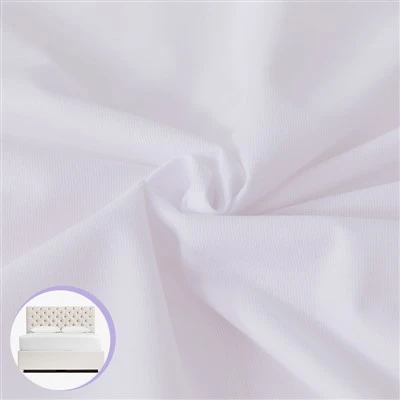
First off, let’s get one thing straight: layer blankets aren’t just “extra blankets.” They’re designed to be versatile, right? That’s why they’re called layer blankets—you can stack ’em, use ’em alone, drape ’em over a couch, or toss ’em in your car for road trips. But to nail the right one, you need to start with two basics: where you’re gonna use it, and what temperature zone you usually feel. Let’s start with use case, because that’s the biggest mistake people make—ignoring where the blanket lives.
If you’re mostly using it on the couch for movie nights, that’s a whole different vibe than needing one for camping. Wait, hold on—let’s split it down. For indoor couch use, a lot of people go for a mid-weight microfiber layer blanket. Why? Microfiber’s super soft, doesn’t get all scratchy after a few washes, and it’s lightweight enough that it doesn’t feel like you’re wrapped in a comforter that’s too heavy, but thick enough to block that draft coming from the window. I’ve had customers tell me they grab the lightweight ones for when their AC’s cranked at night, and the mid-weight for when it’s just cool enough to need something extra while they’re binging their favorite show. That makes total sense—we all know that 72 degrees at 2pm and 65 at 10pm require different layers.
Now, if you’re an outdoor person—camping, tailgates, even just hanging on your back porch in the fall—you can’t use the same indoor blanket. Indoor ones often get damp if there’s even a little dew or rain, and they take forever to dry. For outdoor use, we recommend a water-resistant layer blanket. Wait, not waterproof—water-resistant, because it’s lighter and still lets you breathe. We use a nylon blend with a thin fleece layer inside—keeps you warm if it’s drizzling, repels grass and mud, and packs down small enough to fit in your backpack. I’ve taken one on a camping trip last month, and it stayed dry even when the wind kicked up and sprinkled a little. Game changer, right?
Next up, temperature. This is non-negotiable. I see so many people guessing, and then ending up either freezing or sweating. Let’s talk about weight categories, because that’s how we break it down, and it’s way easier than guessing “warmth.” Lightweight layer blankets are for 60-70 degree Fahrenheit (15-21 Celsius) temps. Think spring, summer, or rooms with strong AC. These are usually thin, often cotton or modal, so they breathe. You can use them alone, or layer them under a heavier blanket if it gets colder at night. Mid-weight is for 45-60 degrees (7-15 Celsius)—that’s fall, winter, or homes that don’t get super cold heat. These are usually fleece or a cotton-poly blend, a little thicker, still soft, and they trap heat without making you overheat. Heavyweight layer blankets are for under 45 degrees (7 Celsius)—that’s deep winter, or if you’re super prone to being cold. These are usually thicker fleece, wool, or a wool blend. Wait, but hold on—wool’s great, but it can be scratchy, so we make a heavyweight one with a merino wool outer and a soft fleece inner, so you don’t have that “wool itch” all night. A lot of customers who live in places that get snow swear by these.
Wait, but what about people who are in between? Like, they can’t decide between light and mid? That’s where size and flexibility come in. A lot of our layer blankets are oversized—like 60×80 inches instead of the standard 50×60. Why? Because if you’re layering, you don’t want one blanket to slip under another. If you’re wrapping up on the couch, you want it big enough to cover your legs and your shoulders, not just your lap. And if you’re using it for a nap on a road trip, being able to tuck the extra part around your feet is a game changer. I’d actually recommend going oversized if you’re not sure—you can always fold it if it’s too big, but you can’t make a small blanket bigger.
Now, let’s talk about other stuff that matters, that people don’t always think about. Like, do you have pets? If you do, you know that blankets attract hair, but some fabrics are way worse than others. Microfiber and modal are way easier to brush hair off of than, say, long-fiber wool. And if you wash your blankets a lot (which you should—gross, we track all kinds of stuff on blankets), you want something that doesn’t pill or fade. All our layer blankets are pre-washed, so they don’t shrink after the first wash, and the dyes are fade-resistant. I’ve had customers who have dogs tell me their microfiber layer blanket still looks good after a year of daily use, no pilling, no hair sticking like glue. That’s a big win.
Wait, what about allergies? Oh right, a lot of people have sensitive skin or allergies to certain fabrics. We’ve got a hypoallergenic line of layer blankets—made with 100% organic cotton, no harsh dyes, no synthetic fibers that can irritate skin. Those are super popular with people who have eczema or dust mite allergies. Another thing: if you’re gonna use your blanket for traveling, machine-washable is non-negotiable. When you’re on the road, you can’t hand-wash every little thing, so being able to throw it in the washer and dryer is key. All our layer blankets are machine-washable on cold, tumble dry on low—easy peasy.
Let me throw in some real examples from customers to make this concrete. Last week, a customer reached out saying she was getting a layer blanket for her college dorm. She lives in a dorm that’s always freezing at night, but the common area is warm during the day. I recommended a mid-weight microfiber one, oversized. She came back a few days later saying it’s perfect—uses it alone in the day, layers it with her comforter at night, and it fits on her tiny dorm bed too. Another customer, a dad of two, wanted a blanket for his family’s camping trips. He went with the water-resistant mid-weight, and said it’s stood up to mud, rain, and two kids dragging it through the woods, and it still works like new. That’s exactly what we’re going for.
Wait, let’s address the common mistakes, because I see these all the time. First mistake: buying a blanket that’s too heavy for your needs. If you live in a place that’s never below 50 degrees, a heavyweight wool blanket is just gonna make you sweat, which is way worse than being a little cold. Second mistake: ignoring use case. Don’t buy an indoor cotton blanket for camping—it’ll get damp and stay damp, and you’ll be miserable. Third mistake: not considering care. If you’re gonna take it to the beach or the park, you want something that’s easy to wipe off, not something that stains if you spill soda on it.
Another thing to think about: color and style, but that’s more personal, right? We’ve got a bunch of neutral tones—gray, beige, navy, cream—so they match any couch or bed, and a few fun, bold colors if you want something that stands out. But honestly, the warmth and functionality matter more than color. I’d never tell someone to pick a blanket that’s the wrong weight just because it’s their favorite color—stick to the function first, then pick what looks good to you.
Wait, let’s circle back to the whole “layer” part. The reason these are called layer blankets is because they’re meant to be part of a system, not a single blanket. So if you’re building a bedding set, you can use a lightweight layer blanket as a top layer in the summer, a mid-weight as a base in winter, and stack two lightweights for extra warmth if you don’t want a heavy one. Or, use them for different things—one on the couch, one for the car, one for camping. That versatility is what makes layer blankets way more useful than a regular throw blanket.
Let me make this super simple to sum up, so you don’t have to overcomplicate it. Step 1: Where will you use it? Indoor (couch/bed) = go for microfiber/modal, size oversized. Outdoor (camping/tailgate) = go for water-resistant nylon-fleece blend. Step 2: What temp do you usually need? 60-70°F = lightweight, 45-60°F = mid-weight, under 45°F = heavyweight. Step 3: Extra needs? Pets = microfiber, allergies = hypoallergenic organic cotton, traveling = machine-washable, easy to pack. That’s it. No fancy stuff, just three quick questions.
If you’re still not sure, that’s totally fine! A lot of people don’t know exactly what they need, and that’s why we’re here. We don’t push the most expensive blanket—we ask a few quick questions and help you find the one that fits your lifestyle. If you’re ready to find the right layer blanket, or just have questions about which one works for you, reach out to our team to chat through your needs. Whether you need one for your dorm, a family camping trip, or just a cozy addition to your couch, we’ve got options that make sense for you.

Now, let’s back up this stuff with a few quick notes, because I don’t want to give you random advice. For context, we design and test all our layer blankets with input from real users—college students, campers, parents, people with sensitive skin—so the recommendations are based on actual use, not just what sounds good. Also, fabric care: even the best blankets will pill if you wash them with rough stuff (like jeans with zippers), so we always recommend washing them alone or with other soft items to keep them looking new.
Quilted Fabric References:
- National Sleep Foundation. (2023). Bedroom temperature and sleep quality. Retrieved from sleepfoundation.org
- Textile Institute. (2022). Performance characteristics of layer blankets for indoor and outdoor use.
- American Academy of Allergy, Asthma & Immunology. (2021). Hypoallergenic bedding recommendations for sensitive skin.
- Outdoor Industry Association. (2023). Camp gear materials: Water-resistant fabrics for portable blankets.
Jiangsu Etang Household Products Co., Ltd.
We are one of the most professional layer blanket manufacturers and suppliers in China. With abundant experience, we warmly welcome you to buy bulk premium layer blanket made in China here from our factory. All customized products are with high quality and competitive price. Contact us for pricelist.
Address: No. 18 Nanhai Road, Siyang Economic Development Zone, Siyang County, Suqian City, Jiangsu Province
E-mail: etang216@js-et.com
WebSite: https://www.etangbedding.com/
