Expanded metal is a versatile and widely used material in various industries, known for its unique properties and applications. As an expanded metal supplier, I often receive inquiries about whether expanded metal can be welded. In this blog post, I will delve into the topic, exploring the welding possibilities of expanded metal, the factors to consider, and the best practices for successful welding. Expanded Metal
Understanding Expanded Metal
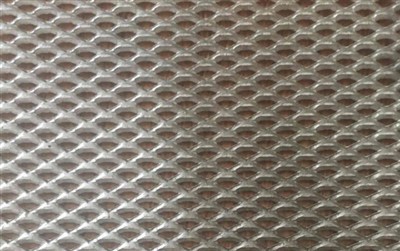
Before discussing welding, it’s essential to understand what expanded metal is. Expanded metal is created by slitting and stretching a solid sheet of metal, resulting in a mesh-like structure with diamond-shaped openings. This process not only enhances the metal’s strength and durability but also reduces its weight, making it an ideal choice for a wide range of applications, including fencing, grating, filtration, and architectural design.
Can Expanded Metal Be Welded?
The short answer is yes, expanded metal can be welded. However, the welding process requires careful consideration of several factors, including the type of metal, the thickness of the expanded metal, and the welding method.
Types of Metal
Expanded metal can be made from various metals, including steel, aluminum, stainless steel, and copper. Each metal has its own unique properties and welding requirements. For example, steel is a popular choice for expanded metal due to its strength and affordability. It can be welded using various methods, such as arc welding, MIG welding, and TIG welding. Aluminum, on the other hand, is lightweight and corrosion-resistant but requires a different welding approach. It is typically welded using TIG welding or MIG welding with a specialized aluminum filler wire.
Thickness of Expanded Metal
The thickness of the expanded metal also plays a crucial role in the welding process. Thicker expanded metal requires more heat and energy to weld, while thinner expanded metal may be more prone to warping or distortion. It’s important to choose the appropriate welding method and settings based on the thickness of the expanded metal to ensure a strong and durable weld.
Welding Methods
There are several welding methods that can be used to weld expanded metal, each with its own advantages and disadvantages. Some of the most common welding methods include:
- Arc Welding: Arc welding is a popular method for welding expanded metal, especially for thicker materials. It uses an electric arc to melt the metal and create a weld. Arc welding can be performed using a variety of electrodes, depending on the type of metal being welded.
- MIG Welding: MIG welding, also known as gas metal arc welding (GMAW), is a fast and efficient method for welding expanded metal. It uses a wire electrode that is fed through a welding gun and a shielding gas to protect the weld from oxidation. MIG welding is suitable for a wide range of metals and thicknesses.
- TIG Welding: TIG welding, also known as gas tungsten arc welding (GTAW), is a precise and high-quality welding method. It uses a non-consumable tungsten electrode to create an arc and a filler metal to join the pieces of metal. TIG welding is ideal for welding thin materials and for achieving a clean and precise weld.
Factors to Consider
In addition to the type of metal, thickness, and welding method, there are several other factors to consider when welding expanded metal. These include:
- Cleanliness: The expanded metal must be clean and free of dirt, grease, and other contaminants before welding. Any impurities can affect the quality of the weld and lead to defects.
- Fit-up: The pieces of expanded metal must be properly aligned and fit together tightly before welding. Any gaps or misalignments can result in a weak or uneven weld.
- Welding Parameters: The welding parameters, such as the current, voltage, and travel speed, must be carefully adjusted based on the type of metal, thickness, and welding method. Incorrect welding parameters can lead to overheating, underheating, or other welding defects.
- Post-Weld Treatment: After welding, the expanded metal may require post-weld treatment, such as grinding, sanding, or painting, to improve its appearance and corrosion resistance.
Best Practices for Welding Expanded Metal

To ensure a successful weld, it’s important to follow these best practices:
- Prepare the Surface: Clean the expanded metal thoroughly to remove any dirt, grease, or other contaminants. Use a wire brush or sandpaper to roughen the surface and improve the adhesion of the weld.
- Choose the Right Welding Method: Select the appropriate welding method based on the type of metal, thickness, and application. Consult with a welding professional if you are unsure which method is best for your project.
- Use the Correct Welding Parameters: Adjust the welding parameters, such as the current, voltage, and travel speed, based on the type of metal, thickness, and welding method. Follow the manufacturer’s recommendations for the specific welding equipment and materials.
- Practice Good Welding Techniques: Use proper welding techniques, such as maintaining a consistent arc length, moving the welding gun smoothly, and avoiding overheating or underheating the metal.
- Inspect the Weld: After welding, inspect the weld for any defects, such as cracks, porosity, or incomplete fusion. If any defects are found, they should be repaired immediately.
Conclusion
Decorative Expanded Metal In conclusion, expanded metal can be welded, but it requires careful consideration of several factors, including the type of metal, thickness, and welding method. By following the best practices outlined in this blog post, you can ensure a successful weld and achieve a strong and durable joint. As an expanded metal supplier, I am committed to providing high-quality products and expert advice to help you with your welding projects. If you have any questions or need further information, please don’t hesitate to contact me. I look forward to working with you.
References
- American Welding Society. (n.d.). Welding Handbook.
- Miller Electric Mfg. Co. (n.d.). Welding Tips and Techniques.
- Lincoln Electric. (n.d.). Welding Resources.
Anping Yilida Metal Wire Mesh Co., Ltd.
Anping Yilida Metal Wire Mesh Co., Ltd. is one of the most reliable expanded metal manufacturers and suppliers in China, also supports customized service. Please feel free to buy bulk high quality expanded metal made in China here from our factory.
Address: Wire Mesh Development Zone, Anping, Hebei Province, China
E-mail: sales@wiremesh-yg.cn
WebSite: https://www.yilidametal.com/
