As a supplier of tool sets, I’ve encountered a wide array of issues that users face with their tools. Troubleshooting these problems is crucial not only for the users to get the most out of their tool sets but also for us as suppliers to maintain high – quality products and customer satisfaction. In this blog, I’ll share some common problems with tools in a tool set and how to troubleshoot them. Tool Sets

1. Tool Not Working at All
One of the most frustrating problems is when a tool simply refuses to work. This could be due to several reasons, and we’ll break them down one by one.
Power – Related Issues
For power tools, the first thing to check is the power source. If it’s a corded tool, ensure that the power cord is properly plugged into a working outlet. Sometimes, the outlet itself might be faulty. You can test this by plugging in another device, like a lamp, to see if it works. If the outlet is dead, you may need to check the circuit breaker or fuse box. A tripped breaker or a blown fuse can cut off power to the outlet.
If it’s a battery – powered tool, check the battery. Make sure it’s fully charged. If the battery indicator shows that it’s charged but the tool still doesn’t work, try removing and re – inserting the battery. Sometimes, a loose connection can prevent the tool from receiving power. If the battery still doesn’t work, it may be time to replace it. Batteries have a limited number of charge cycles, and over time, they can lose their ability to hold a charge.
Mechanical Blockages
Another reason a tool might not work is a mechanical blockage. For example, in a drill, the chuck may be jammed. Try to loosen the chuck using the chuck key. If it’s still stuck, there could be debris inside the chuck. Use a small brush or compressed air to clean out any dirt or sawdust.
In a saw, the blade may be blocked by a piece of material. Turn off the tool and carefully remove the material from the blade. If the blade is dull or damaged, it can also cause the tool to stop working effectively. Replace the blade with a new one of the appropriate size and type.
2. Tool is Making Unusual Noises
Unusual noises from a tool are a sign that something is wrong. Different types of noises can indicate different problems.
Grinding or Screeching Noises
A grinding or screeching noise often suggests that there is friction between moving parts. In a power drill, this could be due to a lack of lubrication. Check the manufacturer’s instructions to see if the tool requires lubrication. If so, apply the recommended lubricant to the appropriate parts.
In a circular saw, a screeching noise may be caused by a misaligned blade. Check the blade alignment and adjust it if necessary. A misaligned blade can also cause uneven cuts and increase the risk of kickback.
Rattling Noises
A rattling noise can be a sign of loose parts. For example, in a hammer drill, there may be loose screws or bolts. Carefully inspect the tool and tighten any loose fasteners. If the rattling persists, there could be a problem with an internal component, such as a loose gear. In this case, it’s best to take the tool to a professional for repair.
3. Tool is Not Performing as Expected
Sometimes, a tool may work, but it’s not performing up to par. This could be related to the tool’s settings, the quality of the materials being used, or wear and tear on the tool.
Incorrect Settings
Many tools have adjustable settings. For example, a drill may have different speed settings. If the tool is not drilling holes as expected, check the speed setting. For harder materials, a lower speed may be required, while softer materials can be drilled at a higher speed.
In a sander, the sandpaper grit can affect the performance. If the sandpaper is too coarse, it may leave rough surfaces, and if it’s too fine, it may take a long time to sand the material. Choose the appropriate grit for the task at hand.
Wear and Tear
Over time, tools can wear out. Blades become dull, bits lose their sharpness, and moving parts can wear down. Regular maintenance can help extend the life of the tools, but eventually, some parts may need to be replaced.
For example, in a pair of pliers, the jaws may become worn and not grip as well as they used to. Replace the jaws or the entire pair of pliers if necessary. In a wrench, the teeth may wear down, making it difficult to grip nuts and bolts. Replace the wrench to ensure proper functionality.
4. Tool is Overheating
Overheating is a serious problem that can damage the tool and pose a safety risk. There are several reasons why a tool may overheat.
Overloading
If a tool is used for extended periods or is used to perform tasks that are beyond its capacity, it can overheat. For example, using a small – capacity drill to drill through thick metal for a long time can cause the motor to overheat. Make sure to use the tool within its recommended specifications. If you need to perform a heavy – duty task, consider using a more powerful tool.
Lack of Ventilation
Many power tools have ventilation openings to dissipate heat. If these openings are blocked by dust or debris, the tool can overheat. Regularly clean the ventilation openings using a brush or compressed air.
5. Tool is Leaking Fluid
Some tools, such as hydraulic tools, may leak fluid. This is a serious issue that needs to be addressed immediately.
Check for Damaged Seals
The most common cause of fluid leakage is a damaged seal. Inspect the tool for any signs of damaged seals, such as cracks or tears. If a seal is damaged, it needs to be replaced. Make sure to use the correct type of seal for the tool.
Tighten Connections
Sometimes, fluid leakage can be due to loose connections. Check all the connections on the tool, such as hoses and fittings, and tighten them if necessary.
Tips for Preventive Maintenance
Preventive maintenance can go a long way in reducing the likelihood of tool problems. Here are some tips:
- Clean Regularly: After each use, clean the tools to remove dirt, debris, and sawdust. This can prevent mechanical blockages and corrosion.
- Lubricate: Follow the manufacturer’s instructions for lubricating the tools. Proper lubrication can reduce friction and wear on moving parts.
- Store Properly: Store the tools in a dry, clean place. Avoid storing them in humid environments, as this can cause rust and corrosion.
- Inspect Regularly: Regularly inspect the tools for signs of wear and tear, loose parts, or other problems. Catching problems early can prevent more serious issues down the line.
Conclusion
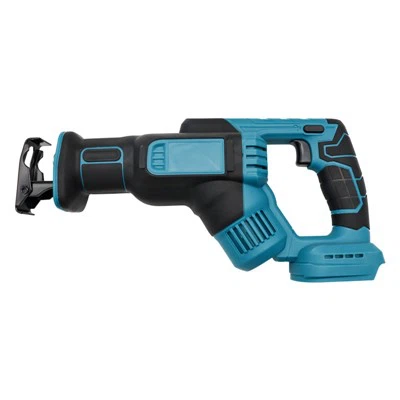
Troubleshooting problems with tools in a tool set requires a systematic approach. By checking for power – related issues, mechanical blockages, unusual noises, performance problems, overheating, and fluid leakage, you can identify and resolve most common tool problems. Remember, preventive maintenance is key to keeping your tools in good working condition.
Electric Hammer As a tool set supplier, we are committed to providing high – quality products and excellent customer service. If you encounter any problems with our tool sets or need further advice on troubleshooting, we are here to help. We invite you to contact us for more information and to discuss your tool set procurement needs. We look forward to working with you to find the best tool solutions for your projects.
References
- Manufacturer’s manuals for various tool sets
- Industry standards and best practices for tool maintenance and troubleshooting
Shandong Bayley Hardware Tools Co., Ltd.
As one of the most professional tool sets manufacturers in China, we also support customized service. Please feel free to buy high quality tool sets for sale here from our factory. Good service and punctual delivery are available.
Address: Room 807, Building A, Global Sunshine City, Hedong District, Linyi City, Shandong Province
E-mail: Sale2@sdbayley.com
WebSite: https://www.shandongbayley.com/
